

TL;DR:
- The Los Angeles to Las Vegas drive covers about 270 miles and takes under 4 hours with light traffic. Departure timing, especially before 8 am from Tuesday to Thursday, significantly reduces travel time by avoiding congestion. Several key stops on the route include Barstow Station, Peggy Sue’s Diner, and the World’s Tallest Thermometer, enhancing the experience and practicality of the trip.
Traveling by car from Los Angeles to Las Vegas covers roughly 270 miles via I-15 North, making it one of the most popular road trips in the American Southwest. Under clear traffic, the drive takes about 4 hours. However, peak Friday traffic through Cajon Pass can push that to 7 hours. Departure timing is the single biggest factor in how long your trip actually takes. Plan it right, and this Los Angeles las vegas car journey becomes one of the most rewarding drives in California.
What is the best route for a Los Angeles to Las Vegas car trip?
I-15 North is the primary and most direct route between the two cities. You pick it up after leaving downtown Los Angeles through the San Bernardino area, then follow it straight through the Mojave Desert into Nevada. The route is well-marked, heavily traveled, and lined with gas stations through most of the journey.
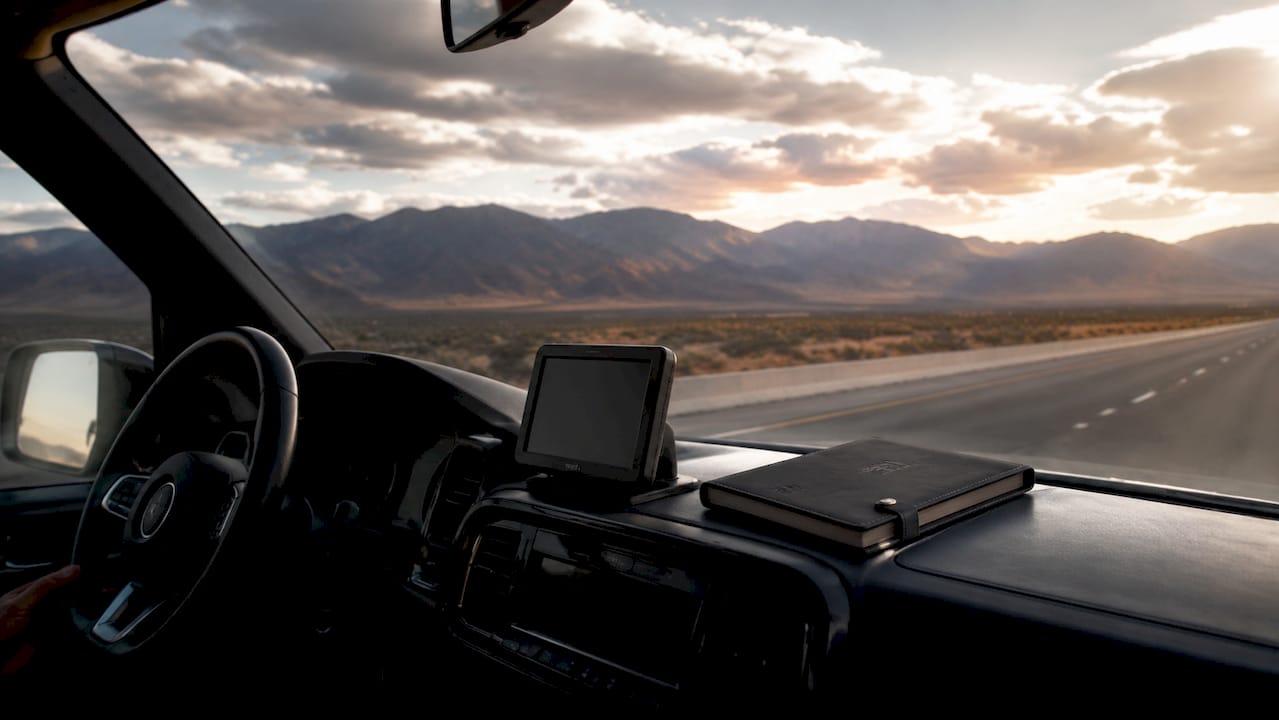
Your exact starting point in Los Angeles affects your total drive time. Travelers leaving from Santa Monica add roughly 30 minutes compared to those starting near Pasadena or the San Gabriel Valley. The best route from LA always runs through Cajon Pass, a mountain crossing northeast of San Bernardino that funnels all I-15 traffic through a narrow corridor.
| Starting Point in LA | Approximate Distance | Estimated Drive Time (light traffic) |
|---|---|---|
| Downtown Los Angeles | 270 miles | 4 hours |
| Santa Monica | 295 miles | 4 hours 30 minutes |
| Pasadena | 255 miles | 3 hours 45 minutes |
| Long Beach | 280 miles | 4 hours 15 minutes |
Cajon Pass is the most predictable bottleneck on the entire route. On weekends, traffic slows to a crawl here even when the rest of I-15 flows freely. After clearing the pass, the highway opens into the high desert and traffic thins considerably.
Pro Tip: If you want a scenic detour, exit I-15 near Victorville and follow historic Route 66 through Barstow. You rejoin I-15 easily and add only about 20 minutes to your total drive.
When should you leave Los Angeles to avoid traffic?
Departure timing outweighs route choice or vehicle type when it comes to total travel time. The I-15 corridor has predictable congestion patterns, and working around them saves you hours.
The best days to drive are Tuesday, Wednesday, and Thursday. Leaving before 8:00 AM on those days puts you through Cajon Pass before traffic builds. You reach Las Vegas well before midday with minimal stress.
- Friday afternoons are the worst time to travel. Leaving after 2:00 PM on a Friday can add 45 to 90 minutes at Cajon Pass alone, before you even reach the open desert.
- Sunday evenings are the second worst window. Return traffic from Las Vegas floods I-15 southbound, but northbound traffic also thickens as late travelers head out.
- Tuesday through Thursday mornings before 8:00 AM offer the fastest, least stressful drive in either direction.
- Early Saturday mornings before 7:00 AM work reasonably well if a weekday departure is not possible.
Mid-week travel also cuts your Las Vegas hotel costs. Tourism professionals consistently note that Tuesday through Thursday room rates run lower than weekend pricing. So leaving on a Wednesday morning saves time on the road and money at check-in.
Pro Tip: Use a real-time traffic app like Google Maps or Waze before you leave. Check Cajon Pass conditions specifically, not just overall route time. A 20-minute delay showing at the pass often means 60 minutes in reality.

What are the best stops on the Los Angeles to Las Vegas road trip?
The right stops turn a long drive into a genuine experience. The I-15 corridor through the Mojave has more character than most travelers expect. Planning two or three stops keeps energy high and makes the trip feel shorter.
Top stops worth planning around
- Elmer’s Bottle Tree Ranch (Oro Grande, California): A roadside art installation made entirely from glass bottles and metal pipes. It sits right off Route 66 and takes about 15 minutes to walk through. Free to visit and genuinely unlike anything else on the route.
- Route 66 Museum (Victorville, California): A compact but well-curated museum covering the history of America’s most famous highway. Plan for 45 minutes and check hours before you go, as they vary by season.
- Barstow Station: A converted train car complex with fast food, restrooms, and fuel. It serves as the most practical midpoint stop on the drive. Parking and restrooms are well organized, and a full stop here takes under 90 minutes.
- Peggy Sue’s 50’s Diner (Yermo, California): A retro diner with a dinosaur park out back. The food is solid American comfort fare, and the atmosphere is genuinely fun. Kids and adults both enjoy it.
- World’s Tallest Thermometer (Baker, California): A 134-foot steel thermometer marking the record temperature ever recorded in Death Valley. It takes five minutes to see and photograph, and Baker also has good fuel options before the final desert stretch.
Beyond the attractions, practical stops matter too. Gas up in Barstow or Baker before continuing. Beyond Baker, stations become sparse and prices climb. Restroom facilities thin out past Baker as well, so plan accordingly.
- Barstow also sits near the NASA Goldstone Visitor Center and the Western America Railroad Museum for travelers who want a cultural break.
- Most Barstow museums have limited operating hours, so check times before you arrive to avoid a wasted stop.
What are the alternatives to driving between Los Angeles and Las Vegas?
Driving is not the only option, and for some travelers, another mode makes more sense. Each alternative has real trade-offs in time, cost, and flexibility.
Flying takes 55–65 minutes of air time. However, when you add airport check-in, security, boarding, baggage claim, and ground transport on both ends, the total door-to-door time reaches 3–4 hours. That makes flying only marginally faster than driving under good traffic conditions, and significantly more expensive once you factor in airport parking or rideshare costs.
Bus services offer the lowest price point. Tickets start as low as $20 when booked early. The trade-off is journey time, which runs approximately 5–6 hours, plus fixed departure schedules that limit flexibility.
Train service does not currently exist as a direct option between Los Angeles and Las Vegas. Brightline West is developing a high-speed rail connection, but it is not yet operational as of 2026.
| Mode | Door-to-Door Time | Approximate Cost | Flexibility |
|---|---|---|---|
| Car (own or rental) | 4–7 hours | Fuel + tolls | High |
| Plane | 3–4 hours total | $80–$300+ | Low |
| Bus | 5–6 hours | From $20 | Low |
| Train | Not available | N/A | N/A |
Driving wins on flexibility. You control your schedule, your stops, and your luggage without airline restrictions.
What vehicle preparation do you need for the desert drive?
The Mojave Desert creates conditions that punish an unprepared vehicle. Summer temperatures regularly exceed 110°F in the valley floors, while elevations near Cajon Pass can be 30°F cooler. Those temperature extremes across micro-climates stress tires and cooling systems in ways that a city commute never does.
Before you leave, run through these checks:
- Tire pressure: Check cold pressure before departure. Heat expands air in tires, and underinflated tires overheat faster on hot asphalt.
- Engine coolant: Verify the coolant reservoir is full. Overheating on a desert highway is a serious safety risk.
- Engine oil: Check the level and condition. Old or low oil runs hotter under sustained highway speeds.
- Fuel: Fill up in Los Angeles before leaving. Fuel before desert stretches in Barstow or Baker at the latest, as stations beyond Baker are scarce and prices are noticeably higher.
- Emergency supplies: Pack at least two liters of water per person, a phone charger, and a basic roadside kit.
Pro Tip: If you drive in summer, avoid parking on the open highway shoulder if you break down. Call roadside assistance and stay inside the vehicle with air conditioning running if possible. Desert heat is dangerous within minutes of sun exposure.
Key Takeaways
The Los Angeles to Las Vegas drive takes 4–7 hours via I-15 North, and departure timing on a Tuesday or Wednesday morning before 8:00 AM delivers the fastest, most cost-effective trip.
| Point | Details |
|---|---|
| Best route | I-15 North covers roughly 270 miles and is the fastest, most direct path. |
| Optimal departure | Leave Tuesday through Thursday before 8:00 AM to avoid Cajon Pass congestion. |
| Top midpoint stop | Barstow offers fuel, food, restrooms, and nearby attractions in under 90 minutes. |
| Best alternative | Flying saves little time door-to-door and costs significantly more than driving. |
| Vehicle prep | Check tire pressure, coolant, and fuel before entering the Mojave Desert. |
Why I think most people plan this drive backwards
Most travelers I talk to obsess over the destination and treat the drive as something to survive. That is the wrong frame entirely. The Mojave Desert between Barstow and the Nevada border is one of the most visually striking stretches of highway in the country. The light changes constantly. The Joshua trees appear and disappear. The silence at a roadside stop is something you cannot find in either city.
I have driven this route more times than I can count, and the trips I remember most were the ones where I left early, stopped at Peggy Sue’s for breakfast, and arrived in Las Vegas just as the sky went dark. Arriving after dusk transforms the experience. The Strip materializes out of absolute desert darkness like something that should not exist. That contrast is worth planning for deliberately.
The practical advice in this article matters. But the bigger point is this: the drive itself is part of the trip. Treat it that way, and you will arrive in a completely different state of mind than if you spent four hours watching the clock. Leave early, stop twice, and let the desert do its work.
— Sirus
Ascendinmotion: private car service for the LA to Vegas route
Not every traveler wants to drive. For those who prefer to arrive relaxed and ready, Ascendinmotion provides professional chauffeur-driven service between Los Angeles and Las Vegas in black minivans and Mercedes-Benz Sprinters.
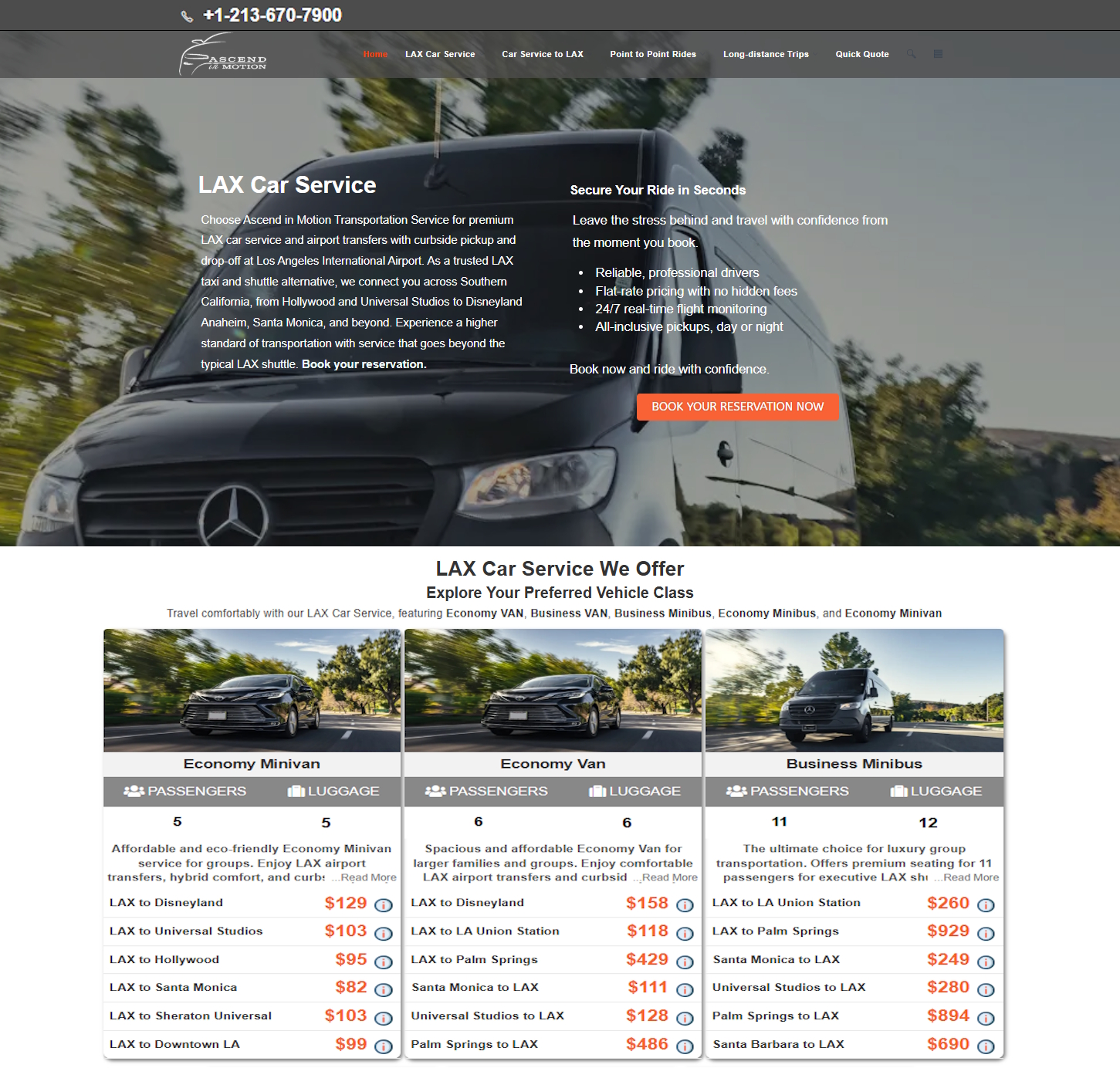
Ascendinmotion handles the route planning, traffic monitoring, and departure timing so you do not have to. Their long-distance car service covers the full I-15 corridor with fixed pricing and no surge charges. Travelers who want scenic stops along the way can request custom itineraries. For those who value private car service benefits like door-to-door pickup, luggage handling, and a professional driver, Ascendinmotion delivers a genuinely different experience from driving yourself or taking a bus.
FAQ
How long does the Los Angeles to Las Vegas drive take?
The drive covers roughly 270 miles and takes about 4 hours under light traffic. Peak Friday traffic can extend the trip to 7 hours, primarily due to congestion at Cajon Pass.
What is the best time to leave Los Angeles for Las Vegas?
Tuesday through Thursday mornings before 8:00 AM offer the fastest drive times. Leaving after 2:00 PM on Fridays adds 45–90 minutes at Cajon Pass alone.
Is flying faster than driving from LA to Vegas?
Flying takes 55–65 minutes of air time, but the total door-to-door time reaches 3–4 hours. Driving under good traffic conditions is competitive and offers far more flexibility.
What are the best stops between Los Angeles and Las Vegas?
Barstow Station, Peggy Sue’s 50’s Diner in Yermo, Elmer’s Bottle Tree Ranch, and the World’s Tallest Thermometer in Baker are the most popular and practical stops along the route.
Do I need to prepare my car differently for this drive?
Yes. Check tire pressure, engine coolant, and oil before leaving. Fuel up in Barstow or Baker, and carry water and emergency supplies for the desert stretch between Baker and Las Vegas.
