

TL;DR:
- Planning your LA to Las Vegas road trip depends heavily on choosing the right departure time to avoid peak traffic and Cajon Pass delays.
- Selecting a suitable rental car, confirming the drop location, and scheduling essential stops, especially for EV charging, ensure a smooth journey.
- Monitoring live traffic updates and traveling midweek improve travel times, while alternative options like chauffeur services remove logistical stress.
Planning a road trip from Los Angeles to Las Vegas sounds simple until you realize how many decisions stand between you and a smooth arrival. Which car should you rent? What time should you leave? How do you avoid the notorious Cajon Pass traffic? Getting a Las Vegas from Los Angeles car trip right takes more than just filling the tank and heading north on I-15. This guide covers every practical detail, from choosing your rental vehicle and budgeting for fuel, to the best routes, timing strategies, and worthwhile stops along the way.
Table of Contents
- Key takeaways
- Choosing the right car for your LA to Vegas road trip
- Best routes and timing for driving to Las Vegas
- Scenic and practical stops on the drive
- Driving tips and handling common challenges
- My honest take after years of this drive
- Skip the rental hassle with a premium car service
- FAQ
Key takeaways
| Point | Details |
|---|---|
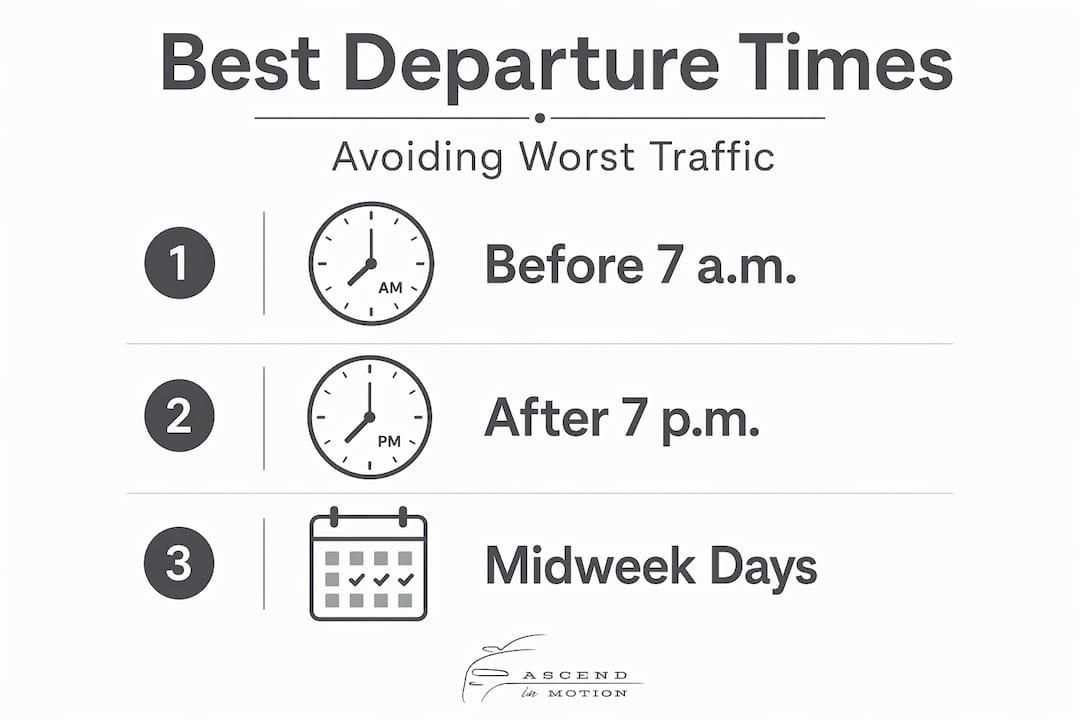
| Depart at the right time | Leave before 7 a.m. or after 7 p.m. to skip the worst congestion on I-15. |
| Budget for fuel costs | Gas prices in this corridor run $5.84 to $5.94 per gallon, adding $80 to $145 for a round trip. |
| Confirm your rental drop location | “Los Angeles” means multiple depots; confirm the exact address before you drive. |
| Use Caltrans QuickMap | Check live I-15 conditions before departure to catch closures and slowdowns early. |
| Plan EV charging stops | Primm Valley Resort offers charging on route; many Las Vegas hotels provide it on arrival. |
Choosing the right car for your LA to Vegas road trip
The car you pick shapes the entire experience, and the decision goes beyond price. For a solo traveler or couple, an economy sedan keeps fuel costs low on a 270-mile drive, but it does not give you much comfort over several hours. An SUV makes the miles easier on your back and carries more gear, though fuel consumption climbs noticeably at highway speeds.
Luxury vehicles sit in a different category. They are genuinely comfortable for long stretches, but the rental cost plus the fuel hit from a larger engine can make the math unfavorable unless you split costs across multiple passengers.
One-way rentals: what you need to know
If you plan to fly back or continue to another destination, a one-way rental makes sense. The catch is that one-way drop logistics are trickier than they look. “Los Angeles” covers multiple rental depots spread across the metro area, each with different operating hours and return rules. You need to confirm the precise drop location, not just the city.
Also, add a time buffer of 60 to 120 minutes to your estimated arrival. Traffic near the Cajon Pass or on the Vegas Strip approach can push your return window past closing, triggering late fees you did not expect.
Here is what to watch for when booking:
- One-way fees: Many agencies charge a drop fee ranging from $50 to over $200 depending on the company and booking window.
- Fuel policy: Always return the car full unless you explicitly chose a prepaid fuel option.
- Mileage caps: Confirm there are no daily mileage limits, since the round trip runs $80 to $145 in gas alone at current prices.
- Insurance coverage: Check whether your credit card provides rental coverage before paying for the agency’s plan.
Pro Tip: Book your rental at least two weeks in advance for holiday weekends, since inventory near LAX and the Las Vegas Strip depletes fast and prices spike dramatically closer to departure.
Best routes and timing for driving to Las Vegas
The main route for any LA to Vegas road trip is Interstate 15 heading northeast. There is no genuine shortcut. State Route 58 can serve as a partial bypass if you want to avoid downtown San Bernardino, connecting through Barstow before rejoining I-15, but it adds complexity without a guaranteed time saving on most days.
What matters far more than route variation is when you get on the road.
The Cajon Pass problem
The Cajon Pass, roughly 60 miles east of downtown Los Angeles, is the single biggest variable in your trip. It funnels traffic through a mountain corridor with limited lanes, and it backs up fast. Congestion peaks between 10 a.m. and 2 p.m. on busy travel days, turning a four-hour drive into a six or seven-hour ordeal.
Beyond normal traffic, ongoing roadwork adds another layer of risk. Nighttime lane closures near Cajon Pass for the Cajon Weigh Station Relocation Project have run from 8 p.m. through the early morning hours. Those closures matter even if you depart at night to avoid traffic.
Timing recommendations
| Departure Window | Traffic Level | Notes |
|---|---|---|
| Before 7 a.m. | Low | Best option for reaching Vegas by midday |
| 7 a.m. to 10 a.m. | Moderate | Manageable on weekdays, heavier on Fridays |
| 10 a.m. to 2 p.m. | High | Avoid on holidays and long weekends |
| After 7 p.m. | Low to moderate | Check for overnight roadwork before leaving |
| Tuesday or Wednesday | Lowest | Midweek travel avoids weekend demand entirely |
For the lowest traffic days, Tuesday and Wednesday consistently outperform any other part of the week on the Nevada side of the route.
Pro Tip: Check Caltrans QuickMap the morning of your trip for live I-15 lane closures and incident reports. It takes less than two minutes and can save you from walking into a standstill you had no way to anticipate.
Scenic and practical stops on the drive
The stretch of road between Los Angeles and Las Vegas is not all desert monotony. Knowing where to stop makes the drive feel intentional rather than punishing.
Here are five stops worth building into your itinerary:
- Devore rest area (San Bernardino County): An early rest break before the Cajon Pass. Useful for fuel and a stretch before the mountain section.
- Victorville: A good mid-morning fuel stop with plenty of fast food options if you did not eat before leaving LA.
- Barstow: Roughly the halfway point. The Mojave River Valley Museum is a 15-minute detour that puts the desert geography in useful context.
- Calico Ghost Town: A California state park off Highway 247 near Barstow. Worth 45 minutes if you have flexibility and travel with kids or history enthusiasts.
- Primm, Nevada: The last major services before the Las Vegas metro area. For EV drivers, charging stations at Primm Valley Resort and Buffalo Bill’s sit right on the I-15 corridor and require no meaningful detour.
EV travelers should treat Primm as a mandatory check-in point regardless of their remaining range. The desert section between Barstow and Primm has limited charging infrastructure, and Las Vegas resort hotels generally offer charging on arrival. Planning your EV charging stops around Primm keeps you on the main corridor without scrambling.
The general principle for stops: plan one every 90 minutes. Fatigue builds faster in desert heat than on coastal highways, even inside an air-conditioned car.

Driving tips and handling common challenges
Even well-planned road trips hit friction. The difference between a frustrating drive and a smooth one usually comes down to preparation before you leave, not decisions you make while sitting in traffic.
Before departure, cover these basics:
- Tire pressure: Check it cold before driving. Desert roads and summer heat accelerate pressure changes.
- Water supply: Carry at least two liters per person. If your car breaks down between Barstow and Primm, road service wait times can stretch.
- Phone mount and charging: Navigation on a phone held in your hand is both dangerous and illegal in California.
- Downloaded maps: Cell service fades in stretches between Barstow and the Nevada border. Download your route offline in Google Maps or Apple Maps before leaving.
When roadwork or an accident causes delays, the temptation is to exit I-15 and look for a surface road alternative. Resist it. Most exits in the Mojave lead to dead-end communities or roads that loop back to the same congestion point several miles down. Staying on the freeway and moving slowly is almost always faster than the detour looks on your screen.
“Passengers should treat departure time as flexible and always check real-time traffic updates on or just before the day of travel for the best results.” — Caltrans QuickMap Traffic Guidance
For solo drivers, audiobooks and podcasts handle the mental load better than music on a four to seven-hour drive. Fatigue is cognitive before it is physical, and a good narrative keeps your mind active without distraction.
My honest take after years of this drive
I have made the LA to Vegas run more times than I can count, and the single lesson that holds every time is this: your departure window matters more than anything else you plan.
People spend an hour comparing rental cars and five minutes thinking about when to leave. That is backwards. The wrong departure time on a Friday in May can add three hours to a four-hour drive, regardless of whether you rented an economy car or an SUV.
The Cajon Pass bottleneck catches people off guard because it does not look threatening on a map. It is just a freeway. But I have sat in near-stationary traffic there for 45 minutes on a Wednesday morning because of a single lane closure I could have seen on Caltrans QuickMap. Now I check it without fail.
My other honest observation: one-way rentals cause more grief than people expect. The depot location confusion and late fees are entirely avoidable, but only if you call the agency and confirm the exact return address and cutoff time before you drive. Do not trust the booking confirmation email alone.
For first-timers, the drive itself is genuinely enjoyable when you leave at the right time. The landscape shifts from urban sprawl to high desert to Joshua trees to open Nevada horizon. That part never gets old. Thoughtful planning is what lets you actually notice it instead of gripping the wheel in gridlock.
— Sirus
Skip the rental hassle with a premium car service
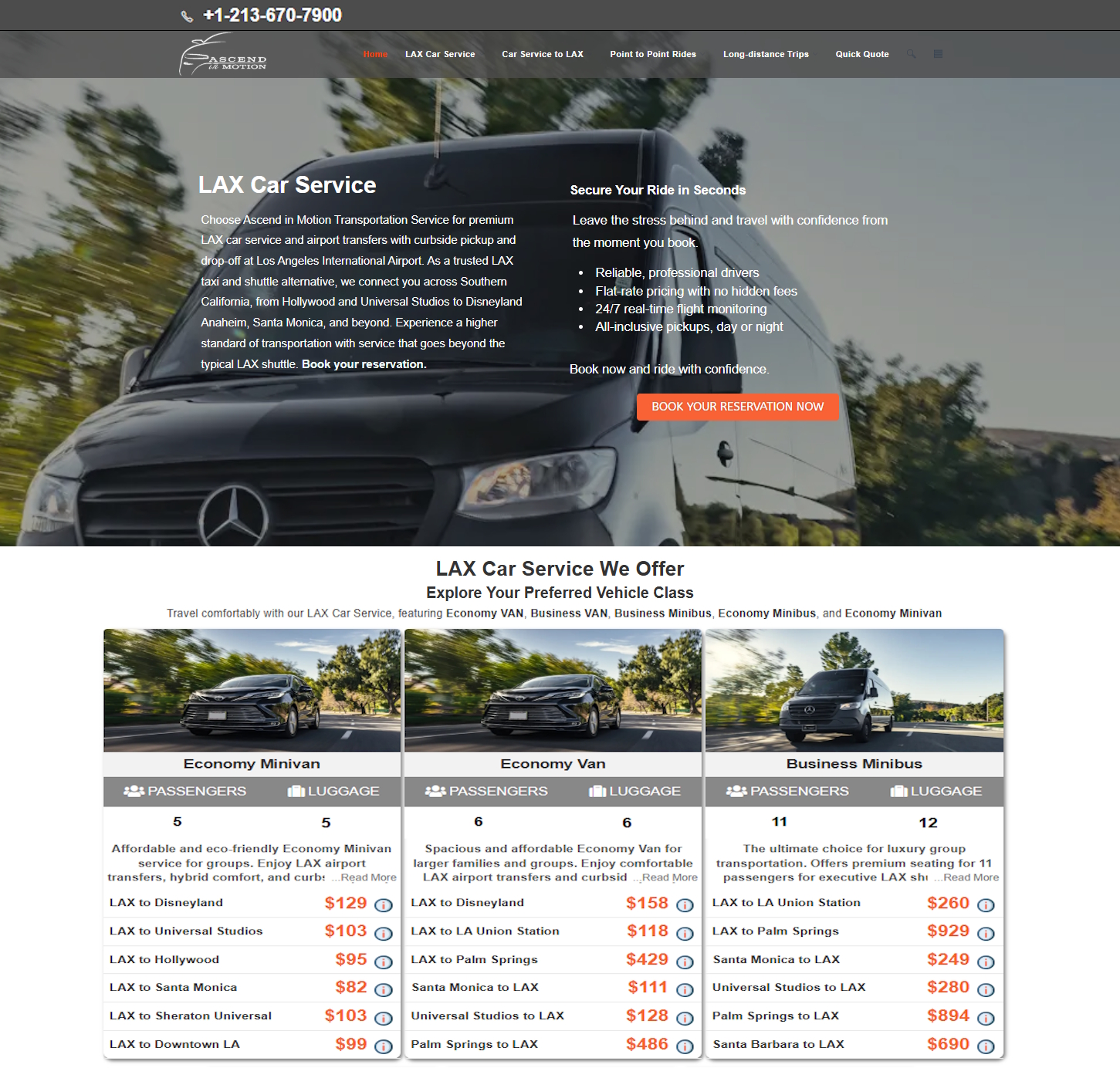
If the logistics of car rental confirmations, fuel budgeting, and traffic timing sound like more work than your trip deserves, there is a cleaner option. Ascendinmotion provides chauffeur-driven travel in black minivans and Mercedes-Benz Sprinters from Los Angeles to Las Vegas, handling the route, the timing, and every detail in between.
There is no depot confusion, no fuel calculation, and no white-knuckle driving through the Cajon Pass. You arrive refreshed. For travelers who want a luxury car service that covers LAX pickups, one-way long-distance trips, and point-to-point private travel, Ascendinmotion is worth a look. Explore the full LA to Las Vegas service and book with confidence knowing the logistics are covered.
FAQ
How long does the drive from LA to Las Vegas take?
The drive covers approximately 270 miles and takes about four hours under light traffic. On peak travel days, especially near the Cajon Pass, the drive can stretch to five to seven hours.
What is the best time to leave LA for Las Vegas?
Leaving before 7 a.m. or after 7 p.m. consistently avoids the worst traffic. Midweek departures on Tuesday or Wednesday offer the lightest overall congestion on the route.
Are there EV charging stations on the LA to Vegas route?
Yes. Charging stations at Primm Valley Resort and Buffalo Bill’s sit directly on I-15, and most Las Vegas hotels provide charging on arrival. Plan a stop in Primm to stay on route without range anxiety.
What should I watch out for with one-way car rentals on this route?
Confirm the exact drop location and hours before you leave, and build a 60 to 120-minute buffer into your return window to avoid late fees.
How much does gas cost for the LA to Vegas round trip?
At current prices of roughly $5.84 to $5.94 per gallon in Southern California, a round trip costs $80 to $145 in fuel depending on your vehicle’s efficiency.
