
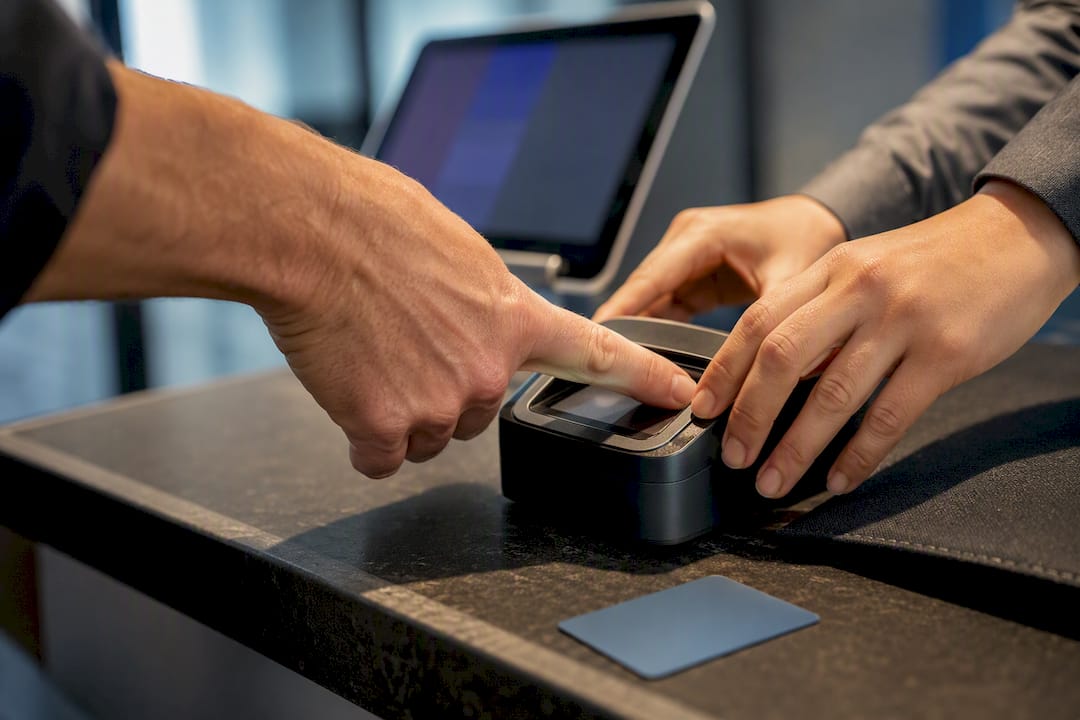
A thorough chauffeur background check includes identity verification, a motor-vehicle record review, a criminal-history search, and drug or alcohol testing where the role requires it, plus ongoing monitoring after hire. Exact requirements shift depending on the state and whether the position falls under DOT or CDL rules, so no single checklist applies everywhere. Still, the core stack rarely changes.
TL;DR:
- State-specific rules like fingerprint checks in New Jersey and biennial criminal record reviews in Pennsylvania significantly impact driver screening procedures.
- All drivers, including CDL holders, must comply with federal regulations such as DOT Clearinghouse queries and drug testing requirements regardless of state.
- Recency and pattern of offenses such as DUI, reckless driving, or violent crimes are critical, with recent infractions typically disqualifying applicants.
- Ongoing monitoring, including annual MVR reviews and near-real-time alert services, is essential for maintaining driver safety and compliance.
- Employers should verify screening methods, frequency of rechecks, and legal compliance protocols before partnering with chauffeur service providers.
Table of Contents
- What Goes Into a Chauffeur Background Check?
- Which State and Federal Rules Actually Apply?
- What Disqualifies a Chauffeur Applicant?
- How Often Should Drivers Get Rechecked?
- How Are These Checks Actually Run?
- What Are Employer Responsibilities After Hire?
- What Should You Ask a Chauffeur Company Before Booking?
- Balancing Passenger Safety and Fair Hiring
- Sources
- FAQ
What Goes Into a Chauffeur Background Check?
A driver history check starts with the motor vehicle record, or MVR. It shows license status, points, suspensions, and moving violations going back several years, and it’s the fastest way to spot a pattern of unsafe driving before a passenger ever gets in the car. Non-CDL drivers typically get a standard MVR pull; CDL and other safety-sensitive roles require additional layers under federal rules, covered in the next section.
Criminal history checks come in two forms. Name-based locator searches scan multistate databases and are fast, but they can miss records tied to name variations or unindexed county files. Fingerprint or live-scan checks compare a physical print against state and FBI databases, which gives far stronger primary-source validation than name searches alone. Sex-offender registry checks are a standard add-on, not an optional extra, for any service transporting the public.
Drug and alcohol screening expectations vary by employer, but in-person testing (not a mail-in kit) is the industry norm for commercial and executive driving roles. Reference and employment verification round out the picture. A clean MVR and criminal record don’t tell you whether a driver shows up on time, handles a hostile passenger calmly, or has a habit of cutting corners. Former employers often will.
- MVR review (license status, points, violations)
- Criminal history via multistate locator or fingerprint/live-scan
- Sex-offender registry check
- Drug and alcohol screening
- Employment and reference verification
- PSP report and continuous monitoring for commercial drivers
Quick stat: Uber reruns driver background checks at least once a year and layers in continuous monitoring between cycles, a cadence that’s become a rough industry benchmark even outside rideshare.
Which State and Federal Rules Actually Apply?
Regulatory requirements for chauffeur screening depend heavily on where the driver operates and what kind of vehicle they’re licensed for. Three examples show how differently states and federal agencies approach this.
New Jersey requires fingerprint background checks for limousine and rental car chauffeur applicants hired since January 8, 2002. Employers must file a Limousine Driver or Rental Car Chauffeur Employer Certification Application, and the state issues a qualification letter once the driver clears review. Skip the process, and the employer risks fines.
Pennsylvania takes a similar but distinct approach. Carriers there must obtain and review criminal-history records for drivers and repeat that check every two years, with specific retention rules for how long those records stay on file.
Federal DOT and FMCSA rules apply to CDL holders and other safety-sensitive drivers regardless of state. That means a Clearinghouse query, a DOT pre-employment drug test, a §391.23 safety-history investigation, and a valid medical certificate.
- NJ: fingerprint checks plus employer certification filing
- PA: criminal-history review, rechecked biennially
- Federal: Clearinghouse, DOT drug test, §391.23 investigation, medical card
Because rules vary this much state to state, always check the relevant motor vehicle or transportation regulator’s own page rather than relying on secondhand summaries.
What Disqualifies a Chauffeur Applicant?
Not every red flag ends a hiring conversation, but certain findings almost always do. Employers weigh recency, severity, and pattern more than a single old incident.
- A recent DUI or DWI conviction, typically within the last three to seven years depending on the employer’s policy and applicable state law
- A currently suspended or revoked driver’s license
- Violent or sexual offense convictions, which are near-universal disqualifiers for passenger-facing roles
- Reckless driving convictions, especially when paired with other moving violations
- A pattern of repeated serious violations, even when no single one would disqualify on its own
Lookback windows matter here. A conviction from twelve years ago carries different weight than one from eighteen months ago, and a responsible employer treats an isolated incident differently than an established pattern. If an applicant disputes something in a report, the Fair Credit Reporting Act gives them the right to challenge inaccurate information before a final adverse decision is made.
How Often Should Drivers Get Rechecked?
Passing a screening once at hire isn’t enough. Driving records and criminal histories can change the week after onboarding, so ongoing monitoring is what separates a serious safety program from a box-checking exercise.
Common recheck schedules include annual MVR pulls and criminal history rechecks every two years, matching the Pennsylvania standard. CDL drivers also fall under FMCSA Clearinghouse rules, which require limited annual queries to catch new drug and alcohol violations between full pre-employment checks.
- Annual MVR review at minimum
- Criminal history recheck every two years where state law requires it
- Annual Clearinghouse limited query for CDL drivers
- Continuous monitoring services that flag new arrests in near real time
Pro Tip: Keep a simple log noting the date of each recheck and who reviewed the results. If a regulator or insurer ever asks for proof of an ongoing screening program, a dated log is worth more than a verbal assurance.
How Are These Checks Actually Run?
Behind the paperwork, a compliant screening program runs on a mix of technology and legal process. Fingerprint appointments typically go through vendors like IdentoGO, which feed prints into state and FBI databases. Nationwide criminal locator searches supplement that with faster, broader name-based scans, and background check providers like Checkr package these into a single report for employers.
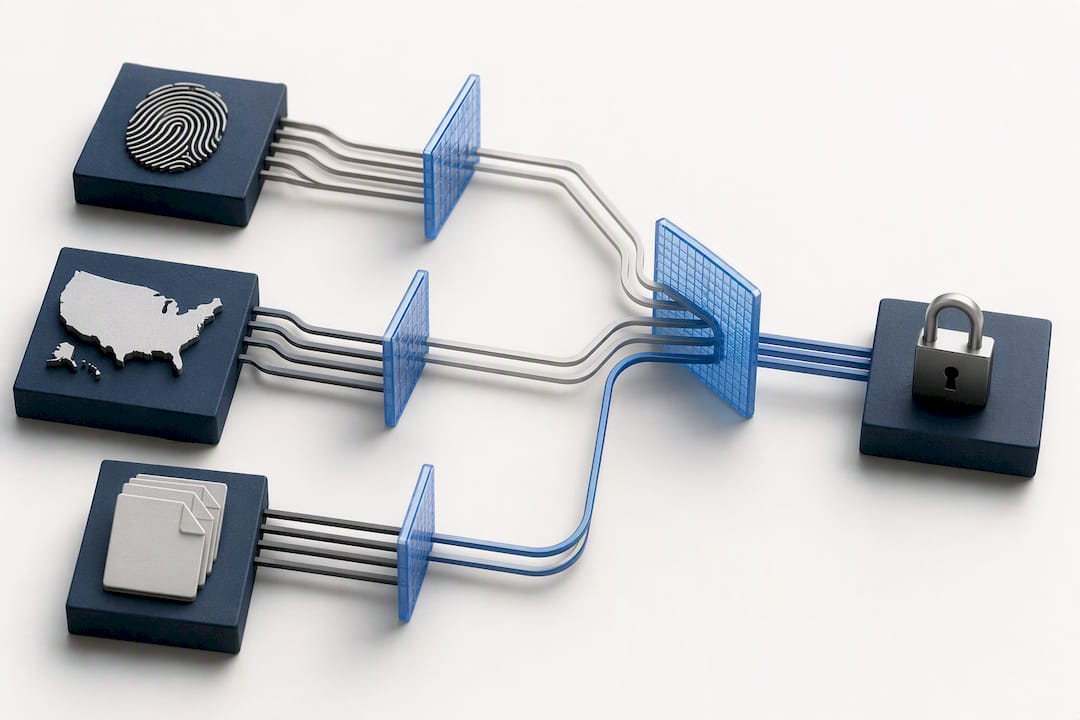
Blacklane, for example, requires its chauffeur partners to pass a Checkr background check covering nationwide criminal databases, MVRs, and drug screening, a workflow that’s become fairly standard across the industry.
The legal side matters just as much as the technology. Under the Fair Credit Reporting Act, employers must give applicants a standalone disclosure, get written consent before pulling a report, and follow a two-step adverse-action process (a pre-adverse notice with a copy of the report, then a final adverse-action letter) if they plan to reject someone based on what turns up.
Fingerprint-based checks give stronger primary-source validation than name-based searches alone, but they aren’t mandated everywhere. Whether a driver needs live-scan fingerprinting often comes down to state statute, not vendor preference.
If a provider tells you they run sex-offender checks or state DOJ queries, ask how those checks are validated. Not every “comprehensive” report actually reaches the primary source.
What Are Employer Responsibilities After Hire?
Screening doesn’t stop with an offer letter. Employers carry ongoing paperwork obligations, and falling behind on them creates real legal exposure if a driver is ever involved in an incident.
In New Jersey, employers submit the Employer Certification Application and receive a qualification letter from the MVC confirming a driver has cleared fingerprint review. Retention rules vary by state, but Pennsylvania’s carrier regulations specify how long criminal-history copies and qualification records must be kept on file for audit purposes.
- File and retain employer certification or qualification documentation
- Keep criminal-history and MVR copies for the statutory retention period
- Notify the appropriate authority if a driver is convicted after hire
- Re-evaluate the driver’s fitness to continue, which may mean reassignment or termination
When a new conviction surfaces mid-employment, whether through a court notification, a Clearinghouse alert, or a routine recheck, the employer needs a documented re-evaluation process, not an ad hoc decision made under pressure.
What Should You Ask a Chauffeur Company Before Booking?
A few direct questions separate a company that takes screening seriously from one that just says it does. Ask whether the provider uses live-scan fingerprinting or name-based checks only, how often MVRs get rerun, and whether DOT Clearinghouse queries apply to their drivers.
Ask to see a written summary of their screening policy, proof of commercial insurance, and any certification letters tied to state requirements. A company with nothing to show usually has nothing to hide behind, either.
- Do you use live-scan fingerprints or name-based searches?
- How often are MVRs and criminal checks rerun?
- Do you run DOT Clearinghouse queries where applicable?
- Can you provide a written summary of your screening policy?
Quick stat: Uber’s screening approach, rechecking drivers at least annually, has become a reasonable baseline expectation across the industry, worth asking any provider whether they meet or exceed it. Ascendinmotion’s chauffeur hiring standards outline the kind of disclosure a passenger should be able to request from any provider.
Balancing Passenger Safety and Fair Hiring
Screening standards exist to protect passengers, not to punish people for decade-old mistakes. The strongest programs run regular, transparent checks without treating a single old offense as a permanent verdict. Fair-chance consideration and consistent safety procedures aren’t opposites; they’re both part of doing this well. Match the intensity of screening to the job. An executive chauffeur handling confidential clients warrants a higher bar than a casual local ride, and pretending otherwise helps no one.
— Sirus
Sources
- Limousine Background Checks Frequently Asked Questions
- 52 Pa. Code § 29.505. Criminal history.
- DOT background check (Checkr)
- Background check guide | Blacklane Partner Help Center
Booking a screened, professional chauffeur shouldn’t require guesswork. Ascendinmotion runs LAX car service routes across Southern California with licensed chauffeurs, flat-rate pricing, and no surge charges, so you know what you’re getting before the ride starts.
FAQ
What Disqualifies You From Passing a Background Check?
Recent DUI or DWI convictions, a suspended or revoked license, violent or sexual offense convictions, and reckless driving records are the most common disqualifiers. Employers also weigh patterns of repeated serious violations more heavily than a single isolated incident from years ago.
What Are the Disqualifiers for Rideshare-Style Background Checks?
Most platforms disqualify applicants for the same core reasons: recent DUI convictions, license suspensions, violent or sexual offenses, and reckless driving. Continuous monitoring means a disqualifying event discovered after hire can end a driver’s eligibility, not just one found during initial screening.
What Background Check Do Trucking Companies Use?
Commercial trucking and CDL roles require a federally defined stack: a DOT Clearinghouse query, a DOT pre-employment drug test, a §391.23 safety-history investigation, an MVR review, and a valid medical certificate. This differs from the checks used for non-CDL chauffeur roles.
What Counts as Passing a Chauffeur Background Check?
Passing generally means a clean or acceptable MVR, no disqualifying criminal convictions within the relevant lookback period, a negative drug/alcohol test where required, and verified identity and employment history. The exact bar depends on the employer’s policy and the jurisdiction’s statutory rules.
How Often Should Chauffeur Background Checks Be Repeated?
Annual MVR checks and criminal history rechecks every two years, matching Pennsylvania’s carrier rule, are common industry benchmarks. CDL drivers also need annual limited Clearinghouse queries in addition to the full pre-employment check.

