
TL;DR:
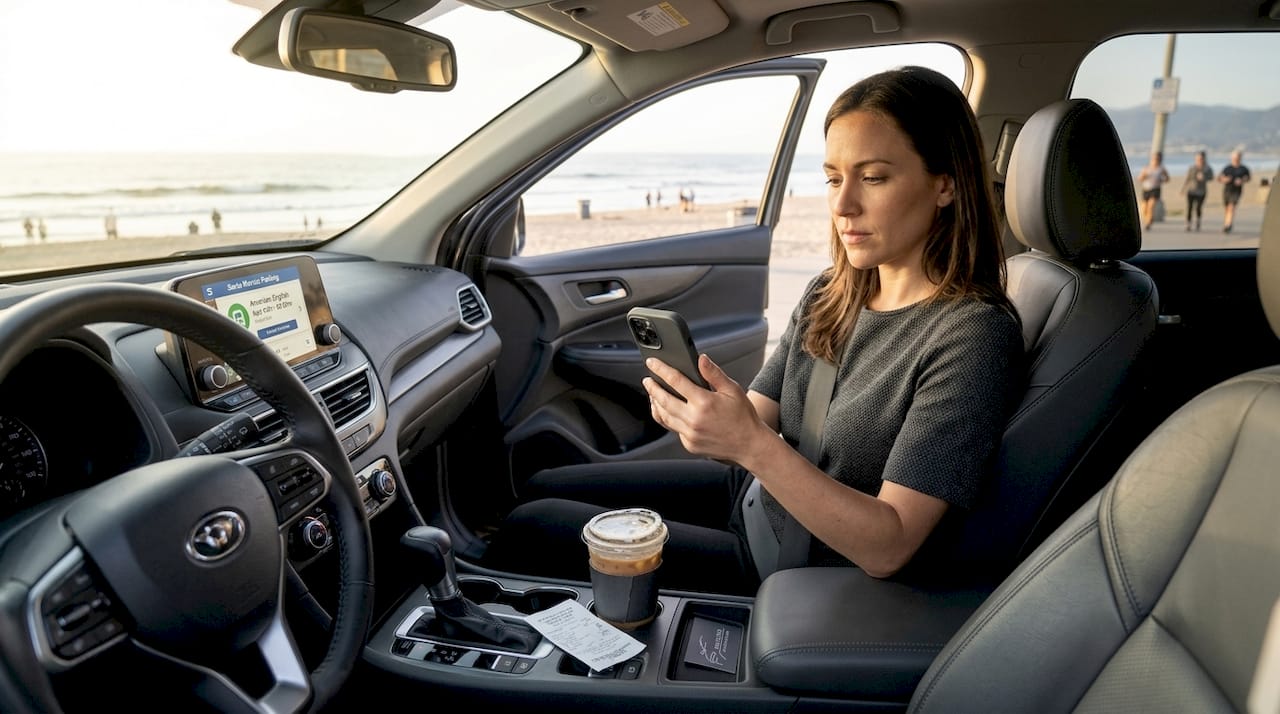
- Santa Monica has implemented a new three-tiered parking system effective January 2026, which affects how visitors pay for parking. Securing beach access requires understanding permit rules, vehicle eligibility, and timing to avoid delays and fines. Planning visits during the fall season, using official resources, and booking private transport can ensure a stress-free experience.
Santa Monica is one of Southern California’s most iconic beach destinations, drawing millions of visitors every year to its famous Pier, wide sandy beaches, and buzzing Third Street Promenade. But even seasoned travelers can get tripped up by new parking rules, unpredictable crowds, and the sheer number of choices the city throws at you. Santa Monica’s citywide rate structure changed to a simplified three-tier model effective Jan. 12, 2026, so if your last visit was even a year ago, your old playbook may not apply. This guide gives you sharp, current strategies to maximize every minute.
Table of Contents
- 1. Master the new Santa Monica parking system
- 2. Secure beach access: Permits, timing, and common pitfalls
- 3. Choose the ideal time to visit for the best experience
- 4. Plan smarter itineraries with official resources
- 5. Don’t miss the Pier: Combining classic fun with seamless logistics
- Our take: Why process beats spontaneity for a stress-free Santa Monica trip
- Upgrade your Santa Monica trip with seamless airport and local transport
- Frequently asked questions
Key Takeaways
| Point | Details |
|---|---|
| Parking has changed | Santa Monica’s updated parking system now offers only 30 minutes free in downtown structures, with tiered pricing after that. |
| Beach permits have rules | Day Beach Parking Permits work for most lots but have strict eligibility, so plan accordingly. |
| Visit in fall for ease | September to November gives you warm weather and thinner crowds—ideal for stress-free exploration. |
| Official guide is key | Start planning with the official Santa Monica Visitor Guide for optimal itineraries and real-time info. |
| Prioritize logistics | Using current resources and detail-focused planning ensures your Santa Monica trip is smooth and enjoyable. |
1. Master the new Santa Monica parking system
With parking such a foundational part of a good Santa Monica day, you need to get it right up front. Here’s how.
Santa Monica’s three-tier parking model took effect January 12, 2026, and it changes what visitors have come to expect. Downtown parking structures now offer only 30 minutes free before tiered hourly rates kick in. The first tier covers the initial paid hours at a lower rate, the second tier bumps the price mid-stay, and the third tier applies to extended parking near high-demand zones. This structure is designed to turn over spaces faster and reduce circling, but it catches many first-timers off guard.
Street parking has its own set of rules that can be even more punishing. Enforcement in Santa Monica runs continuously, including weekends and holidays, unlike many cities where enforcement pauses on Sundays. That means a relaxed Saturday morning can turn into a $73 ticket if you miss a posted time limit. Read every sign on the block, not just the one nearest your car, because multiple restrictions can overlap.
| Parking type | Free time | Approx. cost after free period | Key restriction |
|---|---|---|---|
| Downtown structures | 30 minutes | Tiered hourly rates | Three-tier system from Jan. 2026 |
| Beach lots | None | Flat or hourly daily rate | Permit or pay required |
| Street meters | Varies by zone | $1.25 to $3.00 per hour | Continuous enforcement, incl. holidays |
| On-street (unmetered) | Up to posted limit | Free within limit | Must move every 72 hours |
Here are the smartest moves when parking in Santa Monica:
- Arrive before 9 a.m. on weekends if you want a beach-adjacent spot without circling for 20 minutes.
- Use city-owned structures on 2nd and 4th Streets for downtown shopping; they’re closest to Third Street Promenade.
- Check the posted signs twice before leaving your car. Many blocks have two or three overlapping restrictions.
- Set a phone timer matching the maximum stay on your spot so you never accidentally overstay.
- Move your vehicle every 72 hours if you’re relying on unmetered street parking for a multi-day stay.
Pro Tip: Download the Santa Monica app or use a parking payment platform before you leave home. Paying remotely saves you the walk back to the meter and lets you extend time from the beach without losing your spot.
For a broader look at getting around the area, the Santa Monica travel guide covers everything from neighborhood navigation to the best drop-off zones near popular attractions.
2. Secure beach access: Permits, timing, and common pitfalls
Once your parking strategy is dialed in, the next hurdle is actually reaching the sand without surprises or delays.
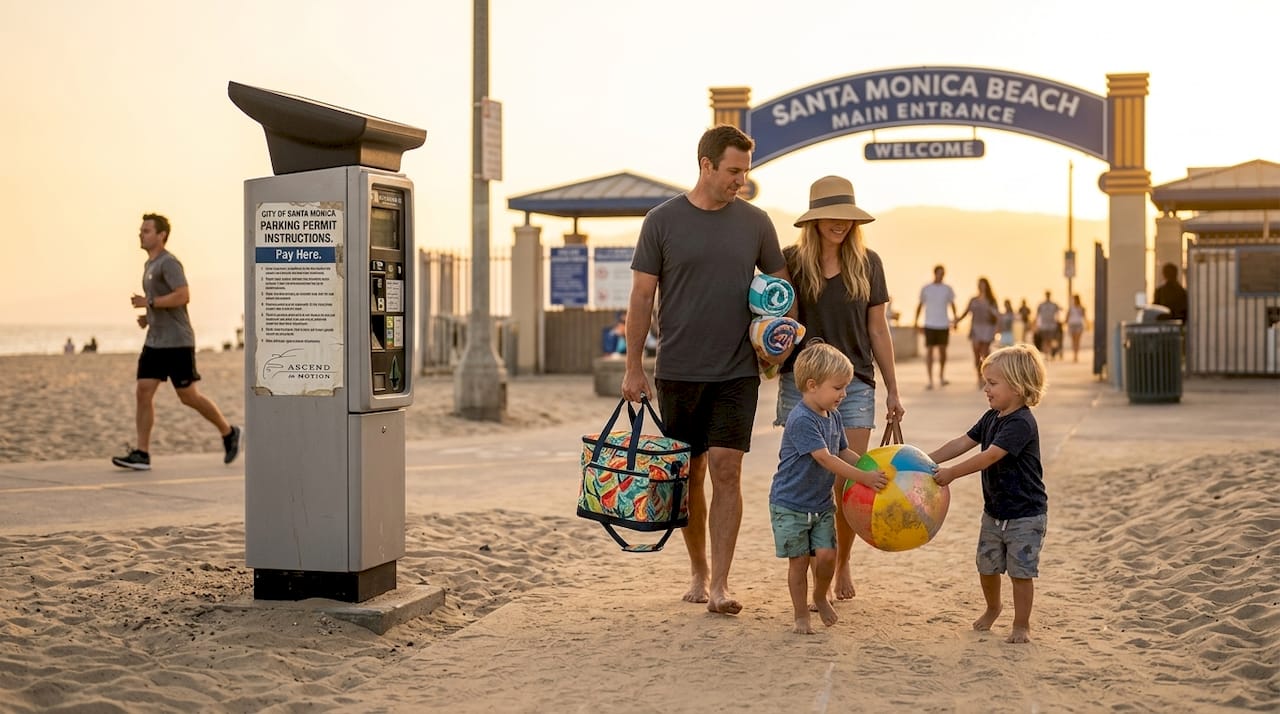
Santa Monica’s beaches are free to visit, but parking near them is not automatically straightforward. The city operates a Day Beach Parking Permit program for visitors who want to park in the official beach lots. The permit is designed to give California residents a discounted or priority option for beach lot access. However, there are key eligibility rules most visitors overlook until they’re standing at the permit kiosk.
To obtain a permit, you need a California driver’s license and matching California vehicle registration. Out-of-state travelers are not eligible. Beyond residency, vehicle eligibility rules mean that oversized vehicles, RVs, and vehicles above a certain length cannot use the program at all. Families traveling in larger SUVs or minivans should check the current dimensional cutoffs before counting on a permit.
Here’s a practical comparison to help you decide which approach fits your situation best:
| Access method | Best for | Cost estimate | Key limitation |
|---|---|---|---|
| Day Beach Parking Permit | California residents with standard vehicles | Reduced rate | Requires CA ID and registration |
| Pay-as-you-go beach lot | Out-of-state visitors, any eligible vehicle | Market rate daily fee | Lots fill fast on weekends |
| Street parking near beach | Budget travelers, short visits | Free within time limit | Limited availability, strict enforcement |
How to lock in your beach parking without headaches:
- Check permit availability online the night before your visit. Permits sell out on peak summer weekends.
- Confirm your vehicle dimensions meet the eligibility requirements listed on the city’s permit page.
- Plan to arrive by 8:30 a.m. if you’re targeting the popular lots between Lot 1 and Lot 6 near the Pier.
- Note that the Pier Deck parking area is not included in the Day Beach Parking Permit program. This surprises many visitors expecting seamless access.
- If you’re dropping off a large group, designate one person to park farther away while others head to the beach directly.
Pro Tip: Out-of-state travelers and families with larger vehicles will save time and money by booking a private car service for drop-off directly at the beach access points. You skip the permit question entirely and walk straight to the sand.
Planning the full day around the beach? The Santa Monica attractions page lays out the best spots within walking distance, and if you’re coordinating a broader Southern California trip, Santa Monica trip itineraries can help you build a logical, enjoyable route.
3. Choose the ideal time to visit for the best experience
Now that practical logistics are handled, let’s zoom out: when should you actually plan your trip for the best Santa Monica experience?
September through November is consistently the sweet spot. Visiting in the fall means warmer, more stable weather compared to the June Gloom phenomenon that cloaks the coast in morning fog throughout early summer. Crowds thin noticeably after Labor Day, and you’ll find shorter waits at popular restaurants, easier parking, and a calmer beach atmosphere overall.
Santa Monica enjoys roughly 280 days of sunshine each year, which means even “off-season” visits deliver excellent weather. The real differentiator is not sun probability but crowd density and price. Hotel rates near the beach drop significantly from September onward, and the Pier and Pacific Park feel far more relaxed without the summer rush.
Here’s a quick seasonal breakdown for planning:
- June to August: Peak season with ideal ocean temperatures, but heavy crowds, full parking lots by 10 a.m., and premium pricing across hotels and attractions.
- September to November: Warm days, cooler evenings, manageable crowds, and the best combination of weather and value.
- December to February: Quietest period with the lowest prices, occasional rain, and a surprisingly charming holiday atmosphere on the Promenade.
- March to May: Shoulder season with pleasant temperatures, though the infamous June Gloom starts creeping in during late May.
“Fall is when Santa Monica really shines for independent travelers. The beach isn’t empty, but you can actually find a spot, enjoy the Pier without a 45-minute wait for rides, and have a real conversation with the person at the taco truck.” — Travel planning insight shared across leading Southern California travel communities.
Weekday visits amplify these seasonal advantages. If your schedule allows any flexibility, a Tuesday or Wednesday in October delivers an experience that feels almost private compared to the same destination on a July Saturday.
If you’re coordinating your arrival from LAX, planning around off-peak travel windows also means lighter freeway traffic. The guide on how to beat traffic to Santa Monica breaks down the specific time windows that make the biggest difference on the I-10 and PCH.
4. Plan smarter itineraries with official resources
With timing settled, your final puzzle is building an agenda that hits only the best of Santa Monica without planning overload. The right tools make all the difference.
Santa Monica Travel & Tourism publishes an official visitor guide and map that is genuinely worth downloading before your trip. The 2025 edition includes updated transportation options, practical safety tips, neighborhood maps, and pre-built itineraries for different trip lengths. It’s not a glossy marketing brochure; it’s a functional planning tool designed to reduce decision fatigue.
Here’s a simple checklist for using the guide effectively:
- Download the guide and map before you leave home. Cell service near the Pier can be unreliable during peak hours.
- Highlight two or three must-see spots per neighborhood. The guide organizes attractions by area, making it easy to cluster stops logically.
- Note the transportation options for each section. The guide details bus routes, bike share stations, and walkable distances between key sites.
- Check the safety tips section. It includes current beach flag color codes and what they mean for swimming conditions.
- Use the suggested itineraries as a starting framework, then adjust based on your group’s interests and energy levels.
Beyond the official guide, these resources add useful layers to your planning:
- The Santa Monica Big Blue Bus route map for car-free movement between the beach, downtown, and Bergamot Station.
- Local food blogs for current restaurant recommendations, since dining spots change faster than visitor guides update.
- The Santa Monica airport shuttles page if you need help coordinating departure logistics back to LAX.
5. Don’t miss the Pier: Combining classic fun with seamless logistics
With your trip plan built, don’t forget the highlight that merges classic charm with modern efficiency: the Santa Monica Pier.
Pacific Park sits directly on the Pier itself, which means you can combine a walk across the iconic structure with a full amusement park experience without ever moving your car or recalculating your route. This co-location is a genuine planning advantage that many visitors underuse. One parking spot, one walking route, two major experiences checked off your list.
Tips for getting the most out of your Pier visit:
- Arrive by 10 a.m. on weekdays or 9 a.m. on weekends to get Pacific Park rides in before the midday crowds build.
- Buy tickets online in advance. Pacific Park offers discounted individual ride tickets and wristband deals through their website, saving time and money at the gate.
- Walk to the end of the Pier first. The views back toward the Santa Monica Mountains and the beach are worth the walk before the crowds arrive.
- Plan 2.5 to 3 hours for a relaxed Pier visit that includes Pacific Park, the aquarium underneath, and the bait and tackle shop for a quick fishing experience.
- Bring layers. The ocean breeze at the end of the Pier is noticeably cooler than the beach, even on warm days.
- Combine the Pier with a walk down Ocean Front Walk toward Venice Beach for an effortless afternoon extension that costs nothing extra.
The Pier also sits close to several parking lots and the drop-off area served by rideshare and car services, making it one of the most logistically friendly starting points for a Santa Monica day. For more ideas on what to pair with a Pier visit, the top things to do in Santa Monica page organizes nearby attractions by walking distance.
Our take: Why process beats spontaneity for a stress-free Santa Monica trip
There’s a persistent idea that the best beach days happen when you just show up and let things unfold. For some destinations, that works. For Santa Monica in 2026, it’s a recipe for a frustrating afternoon spent circling for parking, arriving at a sold-out permit kiosk, and watching your beach time shrink.
The city’s appeal is genuine. The Pier, the beaches, the Promenade, the food scene — all of it holds up. But the visitor experience has grown more layered with new pricing structures, permit programs, and enforcement practices that reward preparation. The travelers who enjoy Santa Monica most right now are the ones who spent 30 minutes the night before checking the parking map, confirming their permit eligibility, and timing their arrival.
We’ve seen this pattern clearly. A visitor who books a private car service for the ride from LAX, checks the official visitor guide for current hours, and targets a Tuesday in October will have a fundamentally different day than someone who drives in on a Saturday in July expecting the city to accommodate them. The difference isn’t luck. It’s process.
The encouraging part is that the process is simple. It’s not about complicated logistics or military-level planning. It’s about using the right resources, timing your arrival with intention, and understanding the city’s current rules before you’re standing on a street corner squinting at a parking sign. A little structure gives you far more freedom once you’re actually there. For building that structure, Santa Monica day trip ideas are a great starting point.
Upgrade your Santa Monica trip with seamless airport and local transport
Planning your Santa Monica visit carefully is one half of the equation. Getting there smoothly is the other.
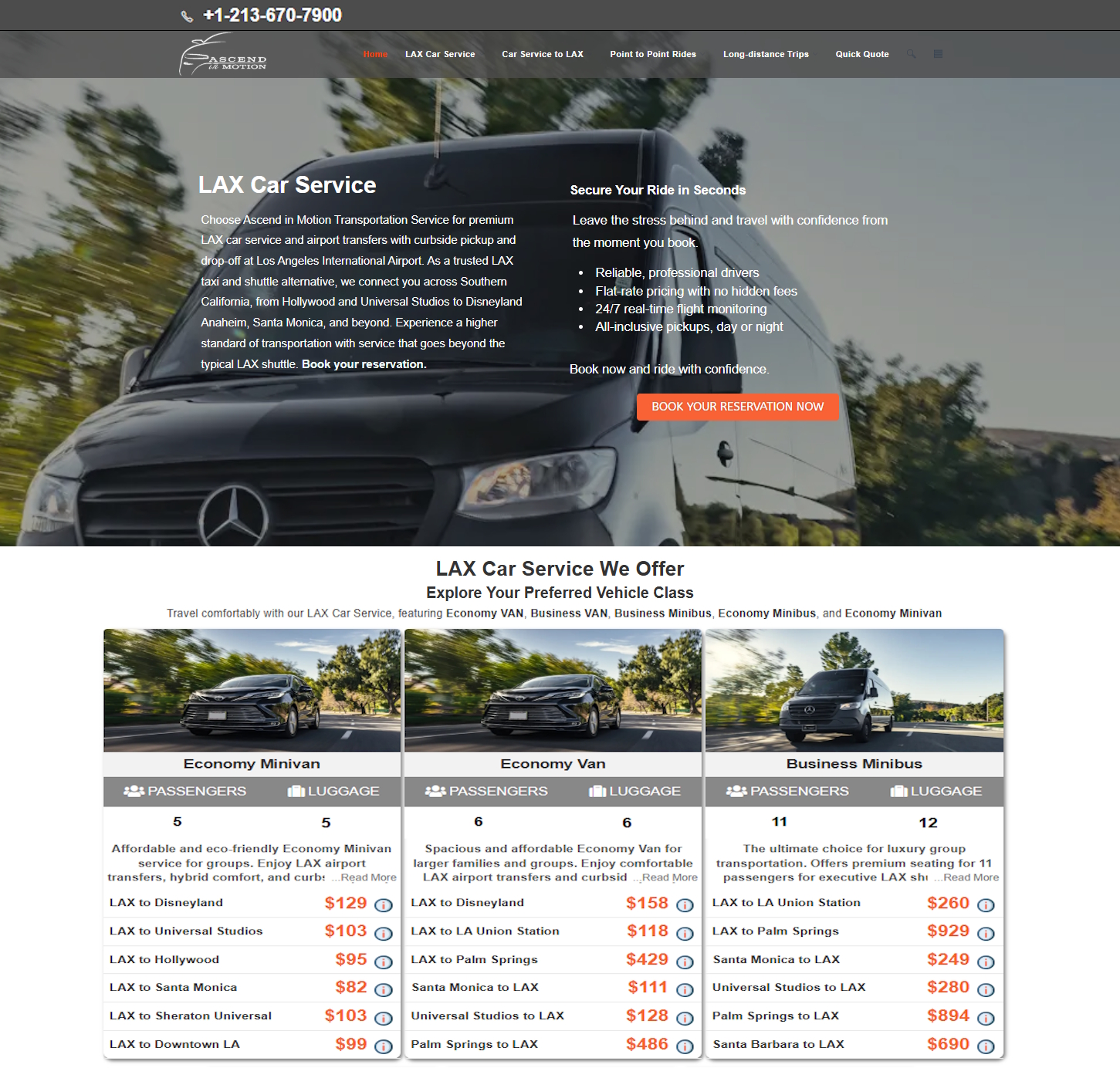
If you’re flying into LAX and heading straight to the beach, a pre-booked LAX airport transfer with Ascend in Motion eliminates the stress of rental car lines, freeway navigation, and parking lot searching entirely. Our chauffeur-driven service drops you directly at your hotel or beach destination, on time and in comfort. For out-of-state visitors who aren’t eligible for beach parking permits, a private car service also solves the access problem cleanly. Not sure what to expect from a premium car service? The car service etiquette guide covers everything from tipping norms to luggage protocols so your first ride feels effortless. Let us handle the drive so you can focus on the destination.
Frequently asked questions
How long is parking free in Santa Monica’s downtown structures in 2026?
You get 30 minutes of free parking, then tiered rates apply in downtown garages as of 2026. After the free window, pricing increases in stages based on total time parked.
Are Day Beach Parking Permits available to all out-of-state travelers?
No. Permits require a California ID and matching California vehicle registration, so out-of-state visitors are not eligible and must use pay-as-you-go beach lot options instead.
When is the best time to visit Santa Monica for fewer crowds and warm weather?
September through November offers the best balance of warm weather and manageable crowds, making it the top window for most independent and leisure travelers.
Are there parking restrictions for oversized vehicles or RVs near Santa Monica beaches?
Yes. Vehicle eligibility rules exclude oversized vehicles and RVs from the Day Beach Parking Permit program, and additional dimensional restrictions apply in many beach-adjacent lots.
Can I rely on street parking if I leave my car for several days in Santa Monica?
No. You must move your vehicle at least every 72 hours to avoid fines or towing, and enforcement runs continuously including weekends and holidays.

