
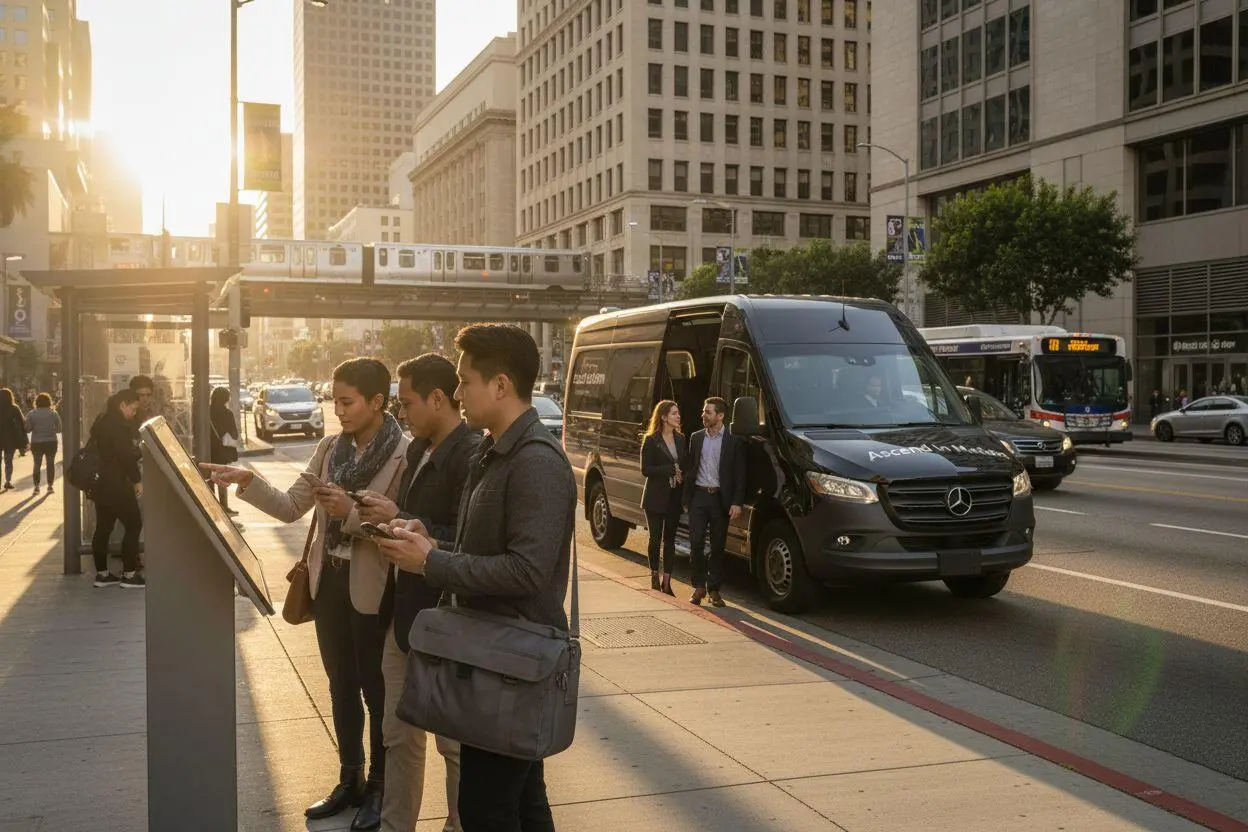
Getting around Los Angeles for an event is never simple. Over 300 major events each year can reroute entire neighborhoods or double your trip time. Most people think the hardest part is just beating bad traffic. The truth is, planning your route ahead of time actually saves you the most time and stress. Surprised? Knowing how and when to move in LA flips the whole travel game on its head.
Table of Contents
- 1: Plan Your Route Ahead Of Time
- 2: Choose The Right Mode Of Transportation
- 3: Consider Ride-Sharing Services
- 4: Understand Public Transportation Options
- 5: Know The Best Times For Traveling
- 6: Factor In Parking Availability
- 7: Prepare For Special Event Traffic
Quick Summary
| Takeaway | Explanation |
|---|---|
| Plan routes to avoid traffic | Analyze travel times and peak congestion hours. Use real-time apps for updates to choose efficient routes. |
| Select the best transportation mode | Evaluate your options like private cars, rideshare, public transit, and rentals to fit your needs and budget. |
| Check for parking availability | Research parking options beforehand, especially in high-demand areas, to avoid unexpected challenges. |
| Monitor event traffic disruptions | Stay informed about special events affecting traffic, such as road closures and increased security protocols. |
| Utilize professional car services | These services offer reliability and comfort, eliminating many common transportation hassles in the city. |
1: Plan Your Route Ahead of Time
Navigating transportation in Los Angeles requires strategic planning, especially when attending high-profile events across this sprawling metropolitan area. Advance route planning can significantly reduce stress and prevent last-minute transportation challenges.
Preparing for your Los Angeles event transportation involves more than just picking a destination. Understanding traffic patterns, potential road closures, and peak congestion times is crucial for smooth travel. The city’s notorious traffic can transform a short trip into a prolonged journey, making route preparation a critical first step.
Before your event, consider these key strategic planning elements:
- Analyze travel times during expected departure and arrival windows
- Check for major events or construction that might impact your route
- Identify alternative transportation options
According to Google Maps Traffic Data, Los Angeles experiences significant traffic congestion during weekday rush hours between 7-9 AM and 4-7 PM. These timeframes can dramatically increase travel duration, sometimes doubling standard route times.
Professional travelers recommend using real-time navigation apps to monitor current traffic conditions. Platforms like Waze provide up-to-the-minute traffic updates, helping you select the most efficient route possible.
Additionally, consider the specific location of your event. Downtown Los Angeles, Hollywood, Santa Monica, and other popular districts have unique transportation challenges. Researching parking availability, public transit options, and potential rideshare pickup zones can streamline your travel experience.
While spontaneity has its charm, Los Angeles event transportation demands careful preparation. By investing time in route planning, you’ll minimize potential travel complications and ensure a smoother, more predictable journey to your destination.
2: Choose the Right Mode of Transportation
Selecting the appropriate transportation method in Los Angeles can make or break your event experience. Transportation choices directly impact your comfort, budget, and overall travel convenience.
Los Angeles offers a diverse range of transportation options, each with unique advantages and considerations. Understanding these options allows you to make an informed decision tailored to your specific needs and event requirements.
Consider the following transportation modes for your Los Angeles event travel:
- Private car service for professional and reliable transportation
- Rideshare for flexible, on-demand travel
- Public transit for budget-conscious travelers
- Rental cars for maximum personal flexibility
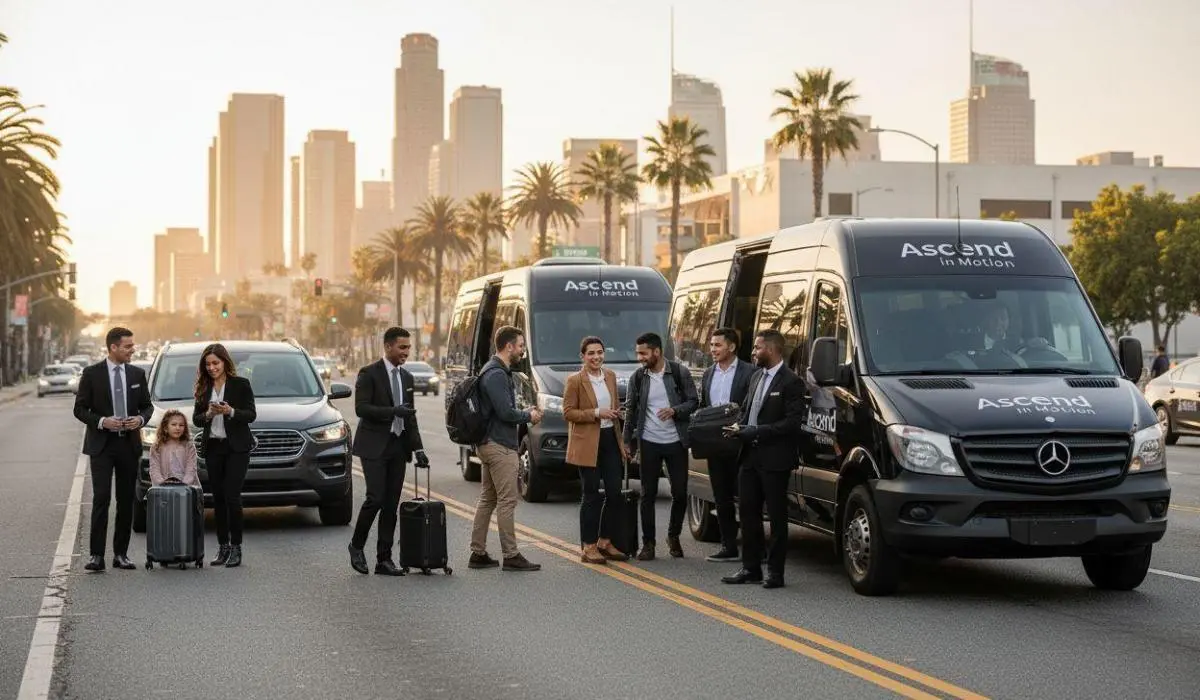
According to California Department of Transportation, Los Angeles presents complex transportation dynamics that require strategic selection. Professional car services like Ascend in Motion offer predictable, comfortable transportation with experienced drivers who understand local traffic patterns.
Rideshare platforms provide immediate accessibility, but they come with potential drawbacks such as variable pricing and uncertain wait times. Peak event periods can significantly increase rideshare costs and reduce vehicle availability.
Public transportation offers an economical alternative, with metro lines and buses connecting major Los Angeles districts. However, these options might not provide the most direct route to your specific event location.
For travelers seeking maximum independence, rental cars present an attractive option. Parking availability and potential traffic congestion are critical factors to consider when choosing this mode of transportation.
Professional car services stand out as a premier choice for event transportation. They combine reliability, comfort, and local expertise, ensuring you arrive at your destination efficiently and stress-free. These services eliminate parking concerns, navigation challenges, and transportation uncertainties.
Ultimately, your transportation selection should align with your event’s specific requirements, personal preferences, and budget constraints. Carefully evaluating each option will help you make the most suitable choice for your Los Angeles event travel.
3: Consider Ride-Sharing Services
Ride-sharing services have transformed urban transportation, offering Los Angeles travelers convenient and flexible mobility options. Understanding the nuances of these platforms can help you make informed decisions about your event transportation.
Ride-sharing apps like Uber and Lyft dominate the Los Angeles transportation landscape, providing on-demand travel solutions for various event scenarios. While these services offer significant convenience, they also come with unique challenges that require strategic planning.
Key considerations for ride-sharing services include:
- Surge pricing during peak event times
- Variable wait times and driver availability
According to Transportation Research Board, ride-sharing services have fundamentally altered urban mobility patterns. Learn more about our point-to-point car service for a more predictable transportation alternative.
Pricing dynamics represent a critical factor when evaluating ride-sharing options. During major events, concerts, sports matches, or peak travel periods, prices can surge dramatically. What might typically be a $20 ride could suddenly escalate to $100 or more due to high demand.
Driver availability presents another potential challenge. Popular Los Angeles events can create significant strain on ride-sharing platforms, leading to extended wait times or difficulty securing a ride. Weekend nights, festival periods, and major entertainment events frequently experience reduced driver availability.
Safety considerations also merit careful evaluation. While ride-sharing platforms perform background checks, the variability in driver experience and vehicle condition can introduce uncertainty. Professional travelers often recommend verifying driver ratings and vehicle details before confirming a ride.
For travelers seeking consistent, reliable transportation, professional car services offer a more predictable alternative. These services provide fixed pricing, professional drivers, and guaranteed vehicle quality, eliminating many uncertainties associated with ride-sharing platforms.
Ultimately, ride-sharing services can be an excellent transportation option when used strategically. Understanding their strengths and limitations allows you to integrate them effectively into your Los Angeles event travel planning.
4: Understand Public Transportation Options
Navigating Los Angeles through public transportation requires strategic planning and a comprehensive understanding of the city’s complex transit network. Metropolitan mobility presents both opportunities and challenges for event travelers.
Los Angeles offers a diverse public transportation ecosystem that can be both economical and efficient when approached thoughtfully. Understanding the nuances of these systems is crucial for successful urban navigation.
Public transportation options in Los Angeles include:
- Metro Rail system with multiple color-coded lines
- Metro Bus networks covering extensive urban areas
- Rapid transit corridors connecting major districts
According to Los Angeles Metro Transit Authority, the public transportation system serves approximately 1.3 million daily passengers across its extensive network. Check out our car service options for travelers seeking alternative transportation methods.
Metro Rail represents a robust transportation backbone, featuring six primary lines connecting downtown Los Angeles with surrounding communities. The Blue Line, Red Line, and Expo Line offer particularly convenient routes for event travelers, connecting key entertainment and cultural districts.
Bus networks provide additional flexibility, with numerous routes traversing areas not directly served by rail systems. TAP cards serve as universal payment methods, allowing seamless transfers between different transportation modes.
Cost-effectiveness makes public transportation an attractive option for budget-conscious travelers. A single metro ride typically costs between $1.75 and $2.50, significantly cheaper than rideshare or taxi alternatives. However, travelers must account for potential time inefficiencies and route complexities.
Special event considerations become critical when relying on public transportation. Major events can cause significant congestion and potential service disruptions. Checking real-time transit updates and planning alternative routes is essential for reliable travel.
While public transportation offers economic benefits, it may not always provide the most direct or convenient route to specific event locations. Travelers should weigh convenience, time, and specific destination requirements when selecting their transportation method.
5: Know the Best Times for Traveling
Timing is everything when navigating Los Angeles transportation, where traffic patterns can transform a quick trip into an extended journey. Strategic travel planning requires understanding the city’s complex mobility landscape.
Los Angeles experiences predictable traffic fluctuations that significantly impact travel efficiency. Travelers must develop keen awareness of peak congestion periods to optimize their event transportation strategy.
Critical travel time considerations include:
- Weekday rush hours between 7-9 AM and 4-7 PM
- Major event times that cause localized traffic disruptions
- Weekend evening entertainment peak periods
According to California Department of Transportation, Los Angeles experiences some of the most complex urban traffic dynamics in the United States. Learn more about our LAX transportation services for professional travel guidance.
Morning commute windows represent particularly challenging travel periods. Between 7-9 AM, freeways become virtually paralyzed with bumper-to-bumper traffic. Professionals recommend allowing 50-75% additional travel time during these peak hours to ensure event punctuality.
Evening rush hours present equally challenging transportation conditions. From 4-7 PM, multiple freeways become congested as workers return home, creating significant delays across metropolitan areas. Travelers attending evening events should plan routes that minimize freeway interactions during these timeframes.
Weekend evenings introduce another layer of transportation complexity. Popular entertainment districts like Hollywood, Santa Monica, and Downtown Los Angeles experience heightened traffic due to concert venues, restaurants, and nightlife attractions. Anticipating these peak periods becomes crucial for smooth event transportation.
Special events such as sports matches, concerts, and festivals can dramatically alter typical traffic patterns. Checking local event calendars and planning alternative routes can help mitigate potential transportation challenges.
Professional travelers often leverage technology like real-time navigation apps and traffic monitoring services to make informed transportation decisions. Staying flexible and maintaining a proactive approach ensures a smoother Los Angeles travel experience.
6: Factor in Parking Availability
Parking in Los Angeles represents a complex challenge that can significantly impact your event transportation strategy. Navigating the city’s parking landscape requires careful planning and strategic decision-making.
Los Angeles presents unique parking dynamics across different neighborhoods, with availability and pricing varying dramatically between districts. Understanding these nuances is crucial for successful event transportation planning.
Key parking considerations include:
- Pricing variations across different urban zones
- Limited street parking in high-density areas
- Potential restrictions during special events
According to Los Angeles Department of Transportation, parking challenges can dramatically impact travel experiences. Explore our point-to-point transportation options to avoid parking complexities.
Downtown Los Angeles presents particularly challenging parking scenarios. Many venues offer limited parking, with rates ranging from $10 to $50 per event, depending on location and demand. Popular entertainment districts like Hollywood and Santa Monica frequently require advanced parking reservations.
Some neighborhoods implement complex parking regulations, including:
- Restricted time zones
- Permit-only street parking
- Metered parking with strict enforcement
Event venues in areas like Hollywood, Beverly Hills, and Downtown often have minimal parking infrastructure. Travelers might need to park several blocks away, adding significant walking distance and potential safety considerations.
Technology has transformed parking strategies, with mobile apps providing real-time parking availability and reservation options. These platforms can help travelers identify and secure parking spaces before arriving at their destination.
For travelers seeking to avoid parking challenges, professional transportation services offer a comprehensive solution. These services eliminate parking stress, providing door-to-door transportation without the need to navigate complex urban parking systems.
Budget-conscious travelers should factor parking costs into their overall event expenses. What initially seems like an economical transportation option can quickly become expensive when considering parking fees, potential tickets, and associated risks.
Ultimately, successful Los Angeles event transportation requires a holistic approach that carefully considers parking dynamics alongside other travel factors.
7: Prepare for Special Event Traffic
Los Angeles hosts numerous high-profile events that can transform typical traffic patterns into complex navigation challenges. Strategic event transportation requires understanding and anticipating these unique traffic dynamics.
Special events ranging from entertainment spectacles to major sporting competitions can create significant metropolitan disruptions. Travelers must develop proactive strategies to mitigate potential transportation obstacles.
Key event traffic considerations include:
- Anticipated road closures around major venues
- Increased security perimeters during significant events
- Potential public transit route modifications
According to Los Angeles Convention and Tourism Board, the city hosts over 300 major events annually that can dramatically impact urban mobility. Explore our comprehensive transportation solutions designed for complex event scenarios.
Entertainment districts like Hollywood, Downtown Los Angeles, and Santa Monica frequently experience significant traffic transformations during major events. Award shows, film festivals, concerts, and sporting events can create extensive road blockages and rerouting.
Professional travelers recommend implementing these strategic approaches:
- Monitor official event websites for transportation advisories
- Check local news for potential traffic updates
- Consider alternative transportation routes
Security considerations play a critical role in event traffic management. High-profile events like the Academy Awards, Grammy Awards, and Los Angeles Lakers home games often require extensive security perimeters that can limit traditional transportation access.
Technology provides valuable resources for navigating complex event traffic. Real-time navigation applications and municipal traffic management websites offer up-to-the-minute information about road conditions, closures, and recommended alternative routes.
Understanding venue-specific transportation protocols becomes crucial. Each major Los Angeles event location has unique access requirements, shuttle services, and recommended transportation strategies.
Below is a comprehensive table summarizing the core tips, considerations, and benefits presented throughout the article for effective event transportation planning in Los Angeles.
| Tip / Step | Key Details & Considerations | Benefits / Outcomes |
|---|---|---|
| Plan Your Route Ahead of Time | Analyze traffic, check for road closures, use real-time apps, assess departure/arrival windows | Minimizes delays, reduces stress, ensures smoother travel |
| Choose the Right Transportation Mode | Options include private car, rideshare, public transit, rental; match to needs, budget, event specifics | Optimizes comfort, convenience, and cost |
| Consider Ride-Sharing Services | Evaluate surge pricing, wait times, driver availability, safety; use during lower-demand periods | Flexibility, on-demand access when used strategically |
| Understand Public Transportation Options | Use Metro Rail, buses, TAP cards; check for event-related transit disruptions, plan routes in advance | Cost-effective, eco-friendly, extensive coverage |
| Know the Best Times for Traveling | Avoid rush hours (7–9 AM, 4–7 PM) & event peak periods; allow extra time; monitor route changes | Reduces unexpected delays, improves arrival punctuality |
| Factor In Parking Availability | Research parking options, reserve early, factor costs and restrictions; high-demand zones can be challenging | Prevents last-minute parking stress, controls expenses |
| Prepare for Special Event Traffic | Monitor for road closures, increased security, transit changes; use event advisories & navigation updates | Mitigates disruptions, ensures reliable access |
| Use Professional Car Services (optional) | Pre-planned routes, expert drivers, no parking worries, fixed pricing | Stress-free, reliable, and comfortable transportation |
For travelers seeking guaranteed event transportation, professional car services offer a comprehensive solution. These services provide experienced drivers familiar with Los Angeles event traffic patterns, ensuring reliable and efficient travel regardless of metropolitan complexities.
Eliminate LA Event Transportation Stress with Professional Chauffeur Service
Navigating Los Angeles event traffic, coping with unpredictable parking, and juggling shifting travel times can make reaching your destination feel overwhelming. The article highlighted real challenges for anyone trying to enjoy a special event in LA, from surge pricing during peak hours to the unpredictability of rideshare and the headaches of finding a safe parking spot. Why take a chance when seamless planning and total peace of mind are just a click away? Ascend in Motion transforms stressful journeys into comfortable, punctual arrivals by offering expert drivers, pre-planned routes, and luxurious vehicles for every occasion.

Ready for a Los Angeles event experience without the transportation worry? Choose the car service trusted by both leisure and business travelers. Book your point-to-point car service or LAX transfer today through Ascend in Motion and arrive calm, collected, and right on time. Don’t let LA’s notorious traffic or parking issues disrupt your plans. Reserve now and secure your VIP journey.
Frequently Asked Questions
How can I plan my route effectively for Los Angeles event transportation?
To effectively plan your route for Los Angeles event transportation, analyze traffic patterns, check for major events or road closures, and identify alternative routes. Use real-time navigation apps to monitor current traffic conditions and adjust your travel accordingly to minimize delays.
What are my transportation options for attending events in Los Angeles?
For attending events in Los Angeles, you can choose from private car services, rideshare, public transit, or rental cars. Assess your budget, comfort, and event location to select the most appropriate option for your specific needs.
How do I account for surge pricing when using ride-sharing services?
To account for surge pricing when using ride-sharing services, monitor your travel times during peak event periods and anticipate higher costs. Consider waiting until demand decreases or using an alternative mode of transportation if prices exceed your budget.
What should I know about parking availability for events in Los Angeles?
Parking availability in Los Angeles can vary widely depending on the event location. Research parking options ahead of time, considering pricing and potential restrictions, to avoid unexpected challenges on the day of the event.
When are the best times to travel for events in Los Angeles?
The best times to travel for events in Los Angeles are outside of weekday rush hours (7-9 AM and 4-7 PM) and avoiding major events that create localized traffic. Plan your arrival at least 30 minutes early to ensure you reach your destination on time, especially during busy periods.
How can I prepare for special event traffic in Los Angeles?
To prepare for special event traffic in Los Angeles, stay informed about potential road closures and increased security around event venues. Plan alternative routes and monitor transportation updates in real-time to navigate the expected traffic effectively.

