
TL;DR:
- Many top attractions in and around Los Angeles include museums, beaches, parks, and theme parks, making planning essential to avoid traffic. Grouping destinations by area and booking tickets in advance helps maximize sightseeing and reduces travel stress. Visitors should allocate dedicated days for major attractions like Disneyland and Universal Studios and start early to beat crowds and enjoy outdoor sites.
The best things to do near Los Angeles span world-class museums, iconic film landmarks, scenic coastal hikes, and major theme parks, all within a sprawling region that rewards smart planning. Southern California’s entertainment capital offers far more than Hollywood Boulevard. From the hilltop galleries of the Getty Center to the fossil pits at La Brea Tar Pits, the variety is genuinely staggering. This guide groups top destinations in Los Angeles by type and geography, so you spend less time in traffic and more time experiencing what makes this region extraordinary.
1. What are the must-see iconic attractions near Los Angeles?
The Hollywood Walk of Fame and TCL Chinese Theatre sit at the heart of any first visit. The Walk of Fame features over 2,600 stars honoring film, television, and music legends, while the Chinese Theatre preserves more than 200 celebrity handprints in cement. Both are best treated as quick stops rather than extended visits. That approach frees up time for richer experiences nearby.
The Getty Center stands out as one of the top places to visit in Los Angeles. General admission is free, though parking costs $10–$25 and advance reservations are strongly recommended. The hilltop setting delivers panoramic views of the city alongside one of the finest art collections on the West Coast. Arriving early on a weekday avoids the longest lines.
LACMA, the Los Angeles County Museum of Art, charges $25–$30 for general admission and houses over 150,000 objects across multiple pavilions. Its outdoor Urban Light installation, featuring 202 restored cast-iron street lamps, draws photographers at every hour of the day. The Broad, just a few miles east in downtown LA, offers free timed-entry admission and is best known for Yayoi Kusama’s Infinity Mirror Rooms.
Pro Tip: Book timed-entry tickets for The Broad at least two weeks in advance. Walk-up availability is rare, especially on weekends.
- Hollywood Walk of Fame and TCL Chinese Theatre: best as a 30-minute stop
- Getty Center: free admission, paid parking, advance reservations required
- LACMA: $25–$30 admission, iconic Urban Light installation
- The Broad: free timed entry, Infinity Mirror Rooms are the headline draw
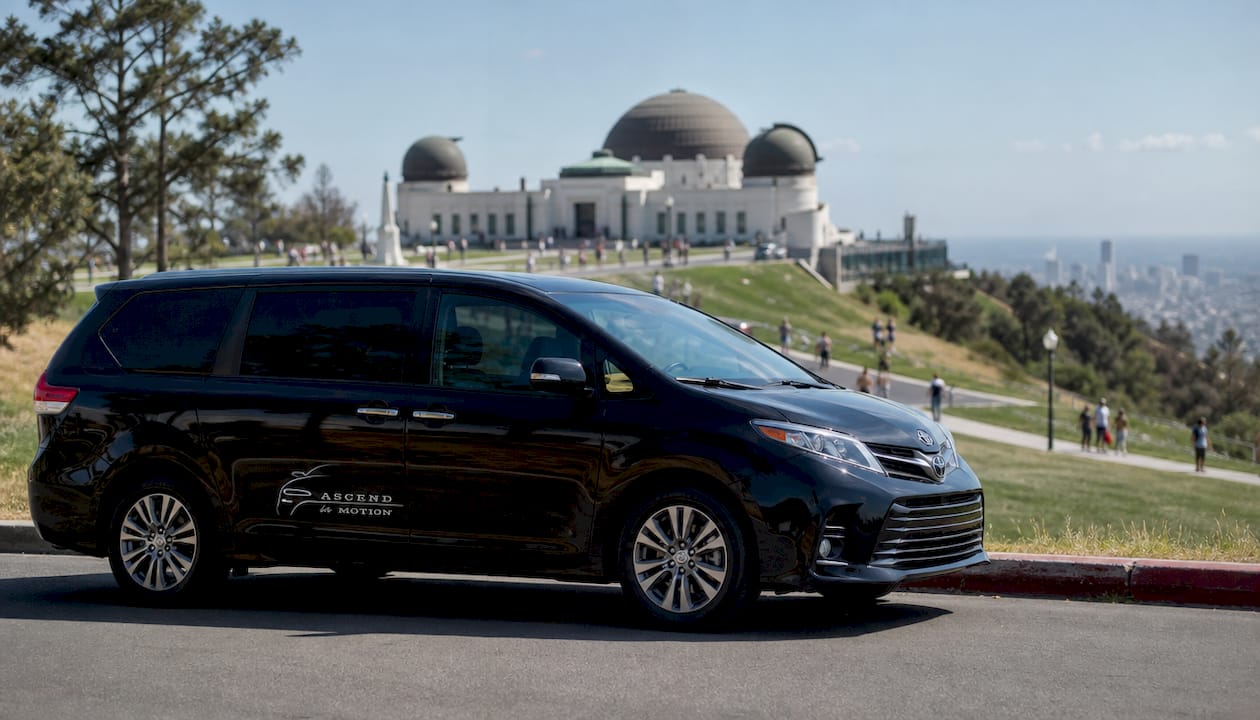
- Griffith Observatory: city views, space exhibits, and a $10 planetarium show
2. Which outdoor and nature experiences can travelers enjoy near Los Angeles?
Griffith Park is the largest urban park in the United States and the starting point for hikes toward the Hollywood Sign. The Griffith Observatory grounds are free to visit, with planetarium shows priced at $10 per person and parking at $10 per hour. The park also contains a zoo, an outdoor theater, and multiple trail systems ranging from easy walks to strenuous climbs. Few spots in LA offer this much variety in one location.
Malibu’s beaches rank among the best spots around LA for coastal scenery. Zuma Beach handles large crowds well with ample parking, while El Matador State Beach rewards the short cliff-side hike with dramatic rock formations and far fewer visitors. Both deliver exceptional sunsets. Arriving before 9:00 AM secures parking without the midday scramble.
Santa Monica Pier combines beach access with a small amusement park, a solar-powered Ferris wheel, and the Santa Monica Pier Aquarium below the deck. The Venice Canals Walkway, just a mile south, offers a quieter stroll through a neighborhood that genuinely surprises first-time visitors. The Huntington Botanical Gardens in San Marino features 15 themed gardens and a world-class art collection, making it a strong half-day option for travelers based on the east side of the city.
- Griffith Park: Hollywood Sign hikes, free observatory grounds, zoo, and theater
- Zuma and El Matador beaches in Malibu: coastal scenery and sunsets
- Santa Monica Pier: amusement park, Ferris wheel, and beach access
- Venice Canals Walkway: a quiet, photogenic neighborhood stroll
- Huntington Botanical Gardens: 15 themed gardens and a fine art museum
3. What theme parks and family-friendly attractions are near Los Angeles?
Universal Studios Hollywood is the most accessible major theme park from central LA. Tickets start from $109 per person, with the Wizarding World of Harry Potter and the Studio Tour as the top draws. The park sits in the Hollywood Hills, roughly 30 minutes from downtown depending on traffic. Booking tickets online in advance typically saves money and skips the gate line.
Disneyland Resort sits in Anaheim, outside LA city limits, which means a dedicated travel day is the right approach. The drive takes 45 minutes to over an hour from central LA depending on traffic. Disneyland and Disney California Adventure together offer a full day or two of rides, shows, and dining. Planning this as a standalone day trip rather than combining it with other LA stops makes the experience far less rushed.
- Universal Studios Hollywood: Rides, studio sets, and immersive movie worlds from $109
- Disneyland Resort (Anaheim): Classic theme park requiring a dedicated travel day
- California Science Center: Free admission, home to Space Shuttle Endeavour
- La Brea Tar Pits Museum: Active Ice Age fossil excavation site in the heart of LA
- Santa Monica Pier Amusement Park: Compact rides and a solar-powered Ferris wheel
Pro Tip: The California Science Center charges no general admission. The Space Shuttle Endeavour exhibit is one of the most impressive free attractions in the entire country.
4. What lesser-known cultural and neighborhood experiences should travelers consider?
Little Tokyo in downtown LA delivers an immersive cultural experience that most visitors overlook. The neighborhood contains authentic Japanese restaurants, specialty shops, the Japanese American National Museum, and the Geffen Contemporary at MOCA. A two-hour visit covers the highlights without feeling rushed. The area pairs well with a stop at the nearby Arts District.
Grand Central Market on Broadway in downtown LA has operated since 1917 and now houses dozens of food vendors ranging from traditional Mexican stalls to modern craft food concepts. It reflects the city’s cultural diversity in a single, walkable space. Lunch here costs far less than at most tourist-facing restaurants and tastes considerably better.
- Little Tokyo: Japanese American National Museum, authentic dining, and specialty shops
- Grand Central Market: Diverse food vendors in a historic downtown hall since 1917
- Arts District: Murals, independent galleries, and a strong coffee and dining scene
- Rodeo Drive (Beverly Hills): Luxury window shopping and architecture worth a short visit
- Hollywood Bowl and Greek Theatre: Two of the country’s most celebrated outdoor music venues
The Hollywood Bowl hosts the Los Angeles Philharmonic and major touring acts from april through october. Bringing your own food and wine is permitted, which makes an evening concert one of the most affordable and memorable experiences in the city.
5. How to efficiently plan and group activities to navigate LA traffic
LA’s traffic is the single biggest factor in trip planning. Nearby attractions can take 60–90 minutes to reach during peak hours, so grouping destinations by zone is the most effective strategy. Trying to mix a morning at Griffith Observatory with an afternoon at Santa Monica Pier and an evening in downtown LA is technically possible but exhausting in practice.
- Downtown LA zone: Grand Central Market, The Broad, LACMA, Little Tokyo, Arts District
- Hollywood and Griffith Park zone: Walk of Fame, TCL Chinese Theatre, Griffith Observatory, Hollywood Bowl
- Westside and beaches zone: Getty Center, Santa Monica Pier, Venice Canals, Malibu beaches
- Nearby cities zone: Disneyland (Anaheim), Universal Studios Hollywood, Huntington Gardens (San Marino)
Grouping by area reduces travel stress and maximizes sightseeing time. Beyond geography, timing matters just as much. Avoid driving between 7:00–9:00 AM and 4:00–7:00 PM on weekdays. Many popular sites open at 10:00 AM, which means arriving at 9:30 AM puts you ahead of both traffic and crowds.
Budget for parking at every stop. Free-admission museums like the Getty Center and Griffith Observatory still charge for parking, often $10–$25 per visit. Reservations at popular sites are not optional. The Broad, the Getty, and several Griffith Observatory planetarium shows require advance booking to guarantee entry.
Key Takeaways
The most effective way to explore attractions near Los Angeles is to group destinations by geographic zone and plan around traffic patterns, not just interest.
| Point | Details |
|---|---|
| Group by zone | Divide your itinerary into Downtown, Hollywood, Westside, and nearby cities to cut travel time. |
| Book in advance | The Broad, Getty Center, and Griffith Observatory planetarium shows require reservations. |
| Budget for parking | Free-admission museums still charge $10–$25 for parking at most major sites. |
| Avoid peak hours | Plan driving outside 7:00–9:00 AM and 4:00–7:00 PM on weekdays to reduce delays. |
| Treat Disneyland as its own day | Disneyland sits in Anaheim and requires a dedicated travel day separate from LA city stops. |
What I’ve learned from years of watching visitors get LA wrong
Most travelers arrive in Los Angeles with a list of 15 things they want to see in three days. That list is the problem. LA’s urban sprawl means that even a “short” drive across town can consume two hours on the wrong afternoon. The visitors who enjoy LA most are the ones who commit to one zone per day and go deep rather than wide.
The Hollywood Walk of Fame is a perfect example. It’s worth seeing, but 30 minutes is enough. Spending a full morning there while skipping Grand Central Market or the Arts District is a trade most people regret. The iconic spots check a box. The neighborhood experiences are what people actually remember.
My honest recommendation for travelers with three days: spend day one in Hollywood and Griffith Park, day two on the Westside from the Getty to Santa Monica, and day three in downtown LA. Save Disneyland or Universal Studios for a fourth day if your schedule allows. That structure gives you breathing room, real meals, and the mental space to actually absorb what you’re seeing.
Starting early makes a measurable difference. Most LA crowds don’t arrive at popular sites until 11:00 AM. Showing up at opening time means shorter lines, better light for photos, and cooler temperatures at outdoor sites like Griffith Park and Malibu. The city rewards early risers more than almost any other major destination I’ve visited.
— Sirus
Ascendinmotion makes getting around Southern California easier
Exploring the top destinations in Los Angeles is far more enjoyable when you are not fighting traffic from the driver’s seat. Ascendinmotion provides chauffeur-driven car service across Southern California, covering LAX airport transfers and point-to-point travel to major attractions including Disneyland, Universal Studios Hollywood, Hollywood, Santa Monica, and Las Vegas.
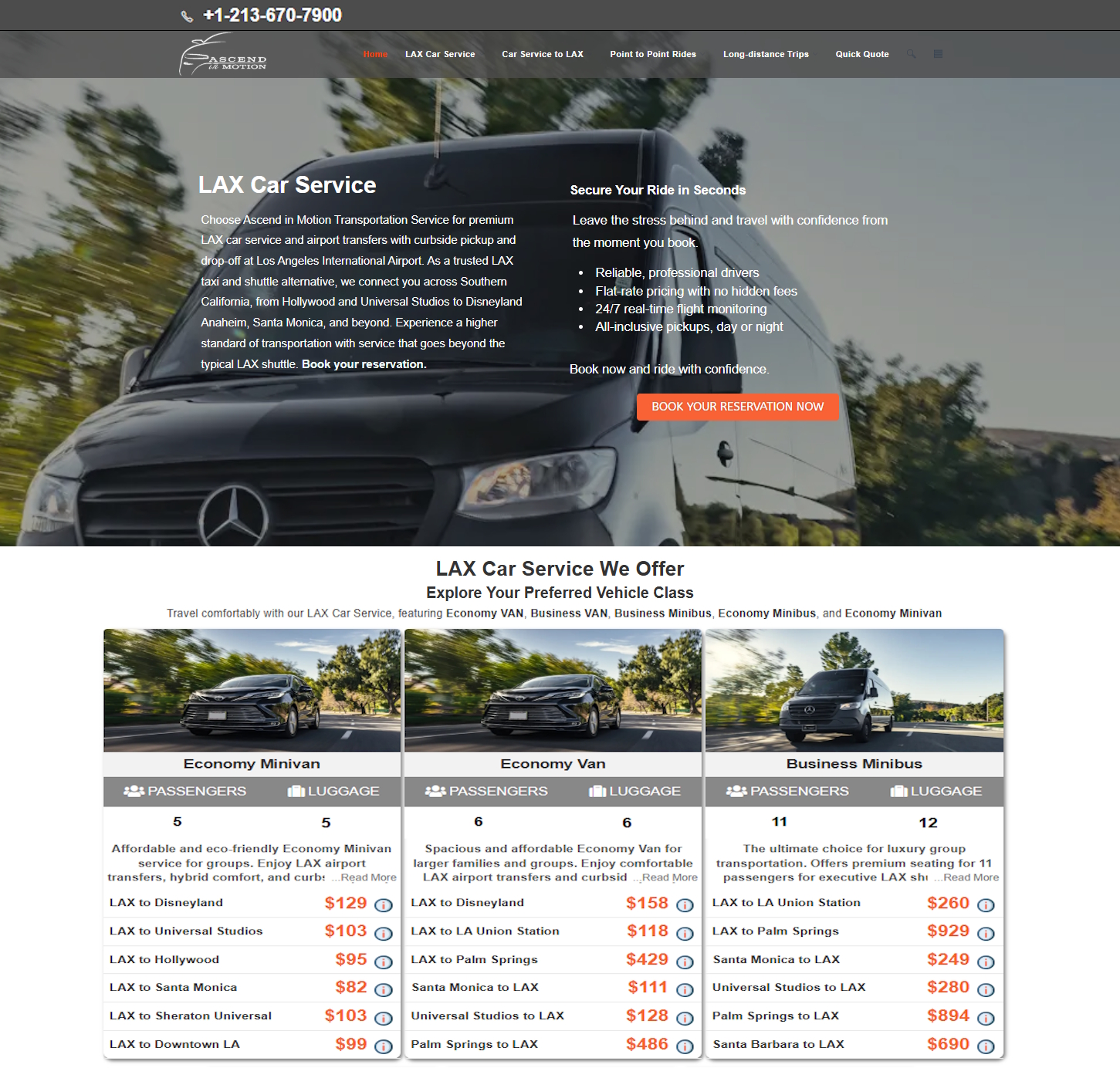
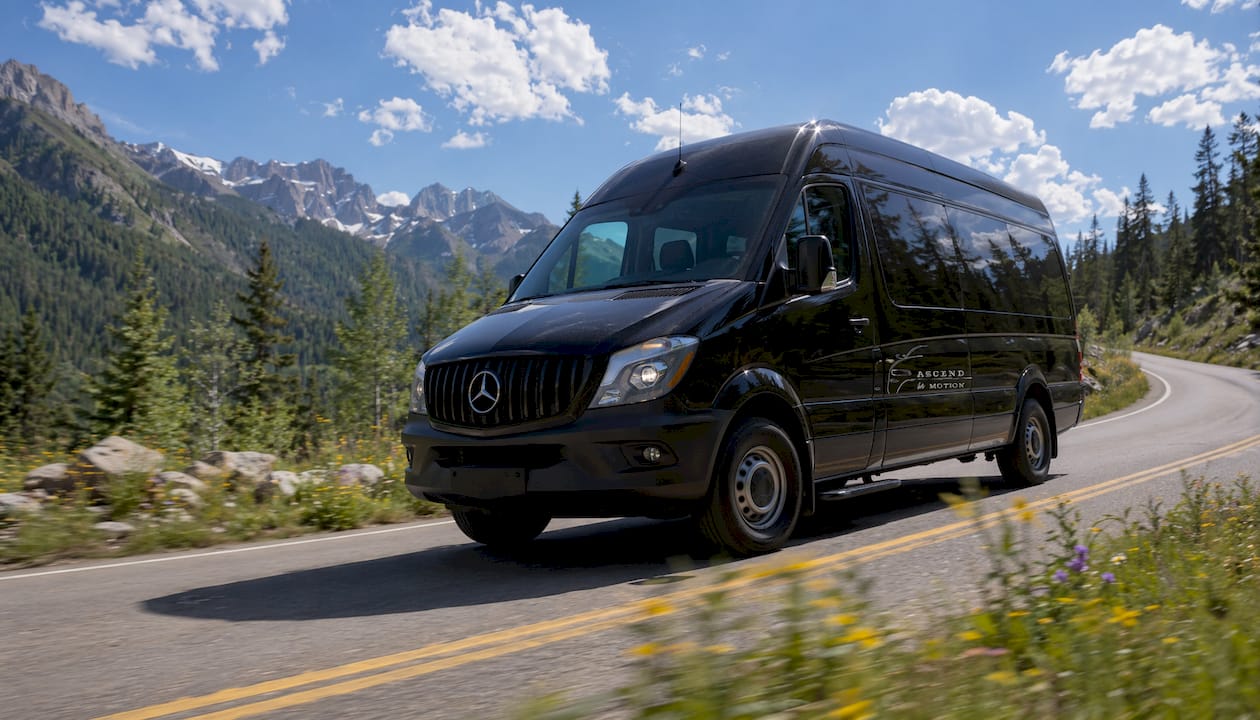
Every vehicle in the Ascendinmotion fleet is a black minivan or Mercedes-Benz Sprinter, driven by a professional chauffeur who knows LA’s traffic patterns. Whether you land at LAX and need a direct transfer to your hotel, or you want a flat-rate ride between attraction zones without parking headaches, Ascendinmotion handles the logistics. Book in advance and arrive at every stop on time, relaxed, and ready to enjoy the city.
FAQ
What are the best free things to do near Los Angeles?
Griffith Observatory grounds, The Broad museum (with free timed-entry reservations), and the California Science Center all offer free general admission. Many beaches, including Zuma and El Matador in Malibu, are also free to access.
How far is Disneyland from Los Angeles?
Disneyland is located in Anaheim, outside LA city limits, and takes 45 minutes to over an hour from central LA by car depending on traffic. Plan it as a dedicated day trip rather than combining it with other LA stops.
Do I need reservations for LA museums?
Yes. The Broad requires advance timed-entry reservations, and the Getty Center strongly recommends booking ahead. Griffith Observatory planetarium shows also sell out, especially on weekends.
What is the best way to avoid LA traffic when sightseeing?
Group your activities by geographic zone and avoid driving during peak hours of 7:00–9:00 AM and 4:00–7:00 PM on weekdays. Nearby attractions can take 60–90 minutes to reach during rush hour.
How much should I budget for parking at LA attractions?
Budget $10–$25 per stop at most major sites. Even free-admission museums like the Getty Center and Griffith Observatory charge for parking, so factor that cost into every day of your itinerary.

