


Getting through LAX can feel overwhelming, especially when you consider that LAX serves over 88 million passengers every year, making it one of the busiest airports in the United States. You might expect the biggest hassle to be the crowds or airport size. Surprisingly, the biggest frustrations are simple details like choosing the right terminal or missing digital check-in. Small oversights can snowball—unless you know exactly where to focus before you get to the airport.
Table of Contents
- Step 1: Determine Your Flight Time And Terminal
- Step 2: Assess Traffic Conditions And Travel Time
- Step 3: Calculate Your Arrival Time Based On Security And Check-In
- Step 4: Plan Your Transportation To The Airport
- Step 5: Prepare Essential Documents And Items For Easy Access
Quick Summary
| Key Point | Explanation |
|---|---|
| 1. Confirm Your Flight Details | Check your ticket for flight time and terminal to plan your arrival effectively. |
| 2. Monitor Traffic Conditions | Use apps like Google Maps to assess real-time traffic and avoid delays on the way to LAX. |
| 3. Account for Security Check Times | Arrive two hours early for domestic flights and three hours for international flights to allow for security. |
| 4. Choose Your Transportation Wisely | Evaluate options like parking, ride-sharing, or public transport based on convenience and cost before traveling. |
| 5. Organize Essential Documents | Keep travel documents in an easily accessible location to streamline check-in and security screening processes. |

Step 1: Determine Your Flight Time and Terminal
Successfully navigating LAX begins with understanding the critical details of your specific flight. Knowing your exact flight time and terminal is the foundational step that will determine how early you should arrive and help you plan your entire airport experience strategically.
Start by thoroughly reviewing your flight ticket or digital boarding pass. Look for the precise departure time and the specific terminal number assigned to your flight. LAX is a massive airport with nine different terminals, and each one serves different airlines and destinations. American Airlines, United, Delta, and other major carriers have dedicated terminals, so confirming your exact location is crucial.
To verify your terminal, check your airline ticket, online booking confirmation, or contact your airline directly. Most airlines provide terminal information during the booking process or through their mobile apps. If you booked through a third party like Expedia or Kayak, double check the terminal information with the airline to ensure accuracy.
Once you know your terminal, consider the time of day and typical traffic patterns at LAX. Morning and evening rush hours can significantly impact travel times and airport congestion. The Transportation Security Administration recommends arriving two hours before domestic flights and three hours before international flights, but these are general guidelines. LAX can be particularly complex, so allowing extra time is always a smart strategy.
For international travelers, additional time is crucial. You will need to account for potential longer check in processes, passport verification, and potentially more extensive security screenings. If you are traveling during peak holiday seasons or summer months, consider arriving even earlier to accommodate potential delays.
Key verification steps to complete this stage include:
- Confirming your exact terminal number
- Verifying your flight departure time
- Checking current airport traffic and potential construction zones
- Ensuring you have necessary travel documents readily accessible
By meticulously planning this first step, you set the foundation for a smooth, stress free airport experience at LAX.
Here is a checklist table to help you verify each step while preparing for your journey through LAX:
| Step | Key Verification Items | How to Confirm |
|---|---|---|
| 1. Determine Flight & Terminal | Flight time and terminal | Check ticket, app, or confirm with airline |
| 2. Assess Traffic & Travel Time | Traffic conditions, routes, extra time | Use Google Maps/Waze, add buffer minutes |
| 3. Calculate Arrival Time | Security/check-in time, flight type | Reference TSA/airline guidelines for timing |
| 4. Plan Transportation | Transport booked, cost, pickup spot | Confirm ride, parking reservation, shuttle info |
| 5. Organize Documents | All IDs, boarding pass, backups | Physically and digitally verify travel documents |
Step 2: Assess Traffic Conditions and Travel Time
Navigating Los Angeles traffic requires strategic planning and proactive research. The journey to LAX can be unpredictable, with multiple factors influencing your travel time and overall airport experience. Understanding and anticipating potential transportation challenges is crucial for ensuring a stress free arrival.
Real time traffic monitoring becomes your most valuable tool in this planning stage. Utilize multiple digital resources to gather comprehensive traffic information. Google Maps, Waze, and Apple Maps provide dynamic traffic updates that reflect current road conditions, accidents, construction zones, and estimated travel times. These applications offer color coded route visualizations showing green for smooth traffic, yellow for moderate congestion, and red for significant delays.
Consider the time of day and typical Los Angeles traffic patterns when calculating your travel window. Morning rush hours between 6 AM and 9 AM and evening peak times from 4 PM to 7 PM can dramatically increase travel duration. Weekday traffic tends to be more intense compared to weekends, so adjust your departure time accordingly. If possible, plan your airport travel during off peak hours to minimize potential delays.
According to Los Angeles World Airports research, transportation to and from LAX can vary significantly based on your starting location. Downtown Los Angeles travelers might experience different travel dynamics compared to those coming from Santa Monica, Long Beach, or the San Fernando Valley. Use mapping applications to input your exact starting point and receive personalized travel time estimates.
Factor in additional buffer time for unexpected scenarios such as road construction, minor accidents, or parking complications. Aim to add an extra 30 to 45 minutes to your estimated travel time as a safety margin. This approach provides breathing room and reduces travel stress, ensuring you arrive with sufficient time to navigate airport procedures.
Key verification steps to complete this stage include:
- Checking multiple traffic monitoring applications
- Confirming current travel time estimates
- Identifying potential alternate routes
- Calculating a realistic departure time with buffer margins
By meticulously assessing traffic conditions and travel time, you transform an potentially stressful airport journey into a predictable and manageable experience.
Step 3: Calculate Your Arrival Time Based on Security and Check-In
Calculating your precise airport arrival time transforms a potentially chaotic experience into a smooth, manageable journey. This critical step involves strategic planning that balances multiple factors including flight type, airline policies, and airport security procedures.
Domestic and international flights require distinctly different preparation timelines. For standard domestic flights, aim to arrive two hours before departure, giving yourself ample time to navigate check in processes and security screenings. International travelers should plan for a more extended window, typically three hours prior to departure. These timeframes provide crucial buffer periods for unexpected complications like long security lines, document verification, or potential baggage issues.
Your check in method significantly influences arrival timing. Online or mobile check in can dramatically reduce your airport processing time. If you have already checked in electronically and are traveling with only carry on luggage, you might streamline your arrival process. However, travelers with checked bags or those requiring in person document verification will need additional time. Priority and business class passengers often enjoy expedited check in lanes, which can reduce overall processing time.
According to Los Angeles World Airports, LAX presents unique challenges that warrant extra preparation. The airport features multiple terminals with varying security checkpoint efficiencies. Some terminals experience consistently longer wait times, particularly during peak travel seasons. During summer months and holiday periods, adding an extra 30 minutes to your standard arrival window can provide crucial breathing room.
Consider your personal travel variables when calculating arrival time. Travelers with special requirements like wheelchair assistance, those traveling with infants, or individuals requiring additional screening should plan for extended processing times. Medical conditions, specialized equipment, or unique documentation can introduce unexpected delays in security and check in procedures.
Modern technology offers additional planning tools. Many airlines now provide real time updates about security wait times through their mobile applications. TSA PreCheck and Clear membership can significantly reduce security screening duration, potentially allowing for a slightly later arrival. These programs can cut standard security wait times by 50% or more.
Key verification steps to complete this stage include:
- Confirming exact check in requirements for your specific flight
- Verifying current security wait time estimates
- Assessing your personal travel complexity
- Determining precise arrival window based on flight type
By meticulously calculating your arrival time, you transform airport navigation from a potential source of stress into a predictable, manageable experience.
Step 4: Plan Your Transportation to the Airport
Selecting the right transportation method to LAX can make the difference between a smooth journey and a stressful start to your travel experience. This critical step involves evaluating multiple options that balance convenience, cost, and reliability while considering your specific travel circumstances.
Personal vehicle parking requires the most strategic planning. LAX offers multiple parking options, including short term, long term, and economy parking facilities. If driving yourself, research parking rates and availability in advance. The airport provides online reservation systems for parking, allowing you to secure a spot and potentially save money. Economy lots offer free shuttle services to terminals, but require additional travel time. Valet parking provides convenience but comes at a premium price point.
Ride sharing and taxi services present flexible alternatives for airport transportation. Uber, Lyft, and traditional taxi services operate extensively throughout Los Angeles. Pricing and availability can fluctuate based on time of day and demand, so check estimated fares in advance. Consider surge pricing during peak travel hours, which can significantly increase transportation costs. If traveling during rush hour, budget extra time for potential traffic delays.
According to Los Angeles World Airports, shuttle and public transportation options provide cost effective alternatives. The LAX FlyAway Bus service connects multiple Los Angeles neighborhoods directly to airport terminals, offering a reliable and affordable option. Metro bus and train connections also provide transportation routes to LAX, though they may require additional transfers and longer travel times.
For travelers seeking convenient airport transfers, professional car services offer a stress free solution. These services provide door to door transportation with predictable pricing and professional drivers who understand airport navigation. They eliminate parking concerns, reduce travel stress, and ensure timely arrival.
The following table compares the main transportation options to LAX to help you choose the best fit for your needs:
| Method | Cost | Convenience | Time Factors | Special Notes |
|---|---|---|---|---|
| Personal Car (Self-Park) | Varies by lot | Direct, flexible | Must account for shuttle/parking time | Reserve ahead, check lot status |
| Ride-Sharing / Taxi | Dynamic, may surge | Door-to-door | Can be delayed by traffic or demand | Confirm pickup area, monitor app |
| Shuttle / FlyAway Bus | Low, fixed | Reliable, scheduled | May take longer with transfers | Runs from select locations |
| Public Transit (Metro) | Very low | Least direct | Transfers and longer travel | Allow extra time for connections |
| Car Service | Highest | Premium, stress-free | Predictable, little waiting | Best for business/luxury travel |
Consider your specific travel needs when selecting transportation. Business travelers might prioritize efficiency and comfort, while budget conscious travelers could focus on cost effective options. Families or groups traveling together might find shared transportation more economical and convenient.
Key verification steps to complete this stage include:
- Confirming total transportation cost
- Verifying pickup or departure location
- Checking estimated travel time
- Ensuring method matches your specific travel requirements
By carefully selecting and planning your airport transportation, you transform a potentially complicated journey into a smooth, predictable experience.
Step 5: Prepare Essential Documents and Items for Easy Access
Preparing your essential documents and items for effortless access transforms airport navigation from a potential nightmare into a smooth, efficient process. This step is about strategic organization that minimizes stress and maximizes your travel efficiency.
Your travel documentation becomes your most critical asset when navigating LAX. Organize a dedicated travel wallet or folder containing your passport, government issued photo identification, boarding pass, and any additional travel documents. For domestic travelers, a REAL ID compliant driver’s license is now mandatory. Ensure your identification meets current federal requirements, which typically means having a star or special marking in the top right corner of your state issued ID.
Digital preparation offers an additional layer of convenience. Most airlines now provide mobile boarding passes accessible through their smartphone applications. Screenshot or download these digital documents as backup, ensuring you have multiple access methods. Consider storing critical information in cloud storage services like Google Drive or iCloud, providing an additional safety net in case of device failure or loss.
According to Los Angeles World Airports, travelers should strategically organize carry on items to expedite security screening. Place electronics, liquids, and easily removable items in easily accessible compartments of your carry on bag. Standard TSA guidelines require liquids to be in containers of 3.4 ounces or less, placed in a clear, quart sized zip top bag. Position these items where they can be quickly removed during security checks.
For international travelers, additional documentation becomes crucial. Ensure you have copies of your passport, visa documentation, and any required travel authorizations. Create both physical and digital backup copies, storing them separately from your original documents. Some travelers find value in emailing copies to themselves or storing encrypted digital versions in secure cloud storage.
Technology and personal identification require special attention. Ensure your smartphone is fully charged and consider carrying a portable battery pack. Have your airport transfer details readily accessible, whether in digital or printed format. If traveling with multiple devices, pack corresponding chargers and consider bringing universal adapters for international travel.
Key verification steps to complete this stage include:
- Confirming all necessary documents are present
- Verifying digital and physical backup copies exist
- Checking identification meets current federal requirements
- Ensuring easy access to critical travel information
By meticulously preparing your documents and items, you create a travel experience defined by confidence and efficiency.
Take the Guesswork Out of LAX Arrival with Reliable LAX Airport Transfers
Worried about Los Angeles traffic, unpredictable security lines, or the risk of missing your flight because of a hectic LAX schedule? If planning your journey to the airport feels overwhelming, you are not alone. Many travelers struggle with the stress of calculating the right arrival window and finding reliable, punctual transportation that fits seamlessly with their flight details and terminal location. The article you just read highlights these exact challenges and shows how important it is to plan ahead and eliminate uncertainty.
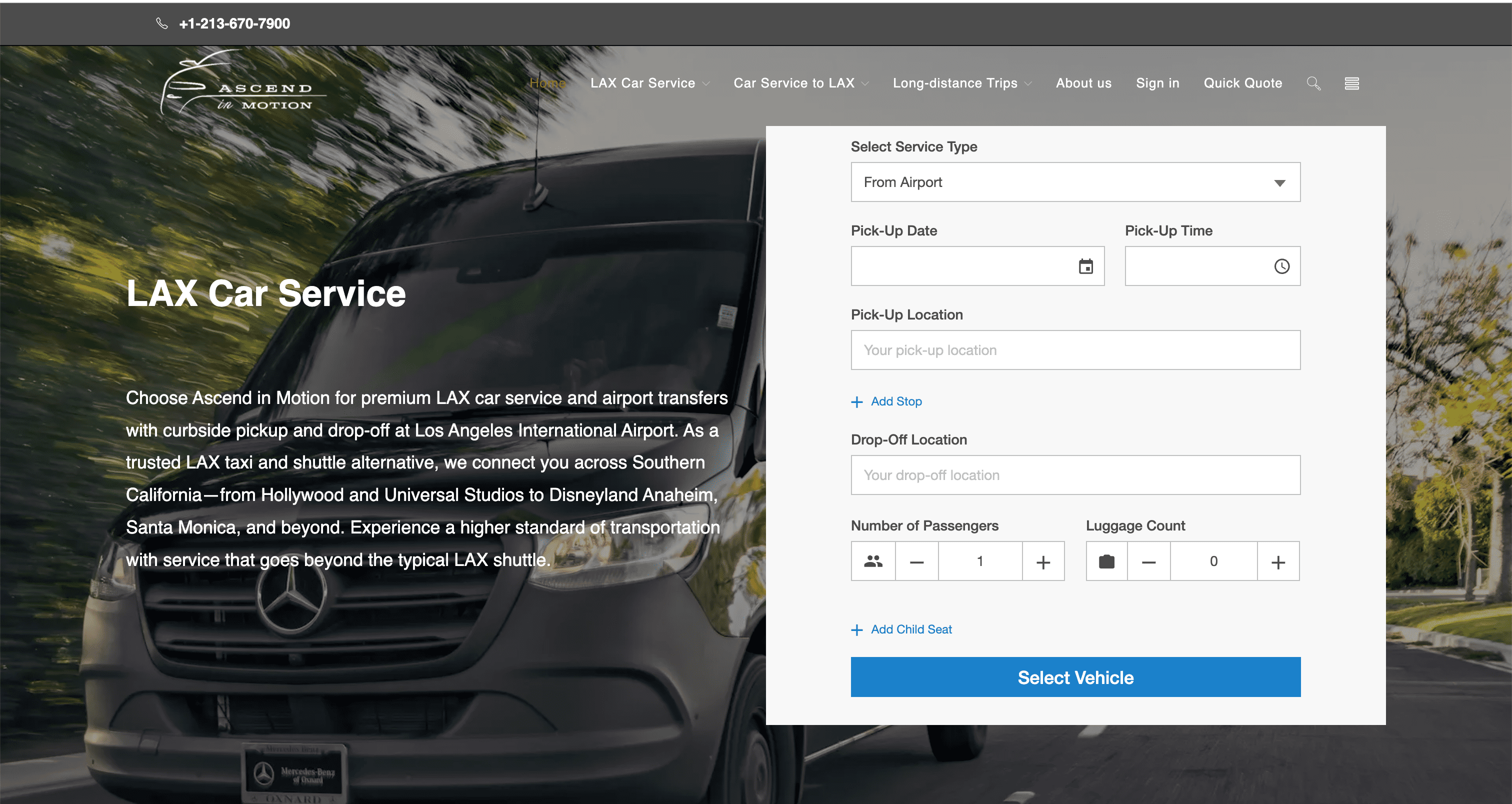
Let Ascend in Motion transform your airport experience into a smooth, hassle-free journey. Book a LAX airport transfer and trust our experienced chauffeurs to navigate Los Angeles traffic, track your precise flight and terminal, and deliver you on time, every time. Whether you need stress-free pickup for your next trip or private executive service for business travel, our team guarantees punctuality, luxury, and total peace of mind. Ready to remove the stress and uncertainty from your next airport journey? Discover worry-free transportation at Ascend in Motion and reserve your airport ride today.
Frequently Asked Questions
How early should I arrive at LAX for a domestic flight?
You should aim to arrive at least two hours before your scheduled departure time for domestic flights to allow for check-in and security procedures.
How early should I arrive at LAX for an international flight?
For international flights, it is recommended to arrive at least three hours prior to departure. This allows enough time for check-in, passport verification, and security screenings.
What factors should I consider when planning my arrival time at LAX?
When planning your arrival time at LAX, consider your flight type (domestic or international), the terminal you are flying from, current traffic conditions, and the time required for security and check-in procedures.
What should I do to prepare my essential documents before arriving at LAX?
Organize your travel documents, including your boarding pass, government-issued ID, and any additional paperwork, in a dedicated travel wallet or folder for easy access during your airport experience.
Recommended
- LAX Airport Transfer – 5 Tips for a Smooth pickup
- What to Do at LAX: Best Activities and Tips for Travelers – Ascend in Motion – LAX Car Service
- Navigating LAX Like a Pro – Ascend in Motion – LAX Car Service
- Airport transfer – Holiday Transit Redefined
- Top Tips for Long-Haul Flights in 2025 for Adventurers
- Essential Travel Organization Tips for Stress-Free Adventures – Yopki
