
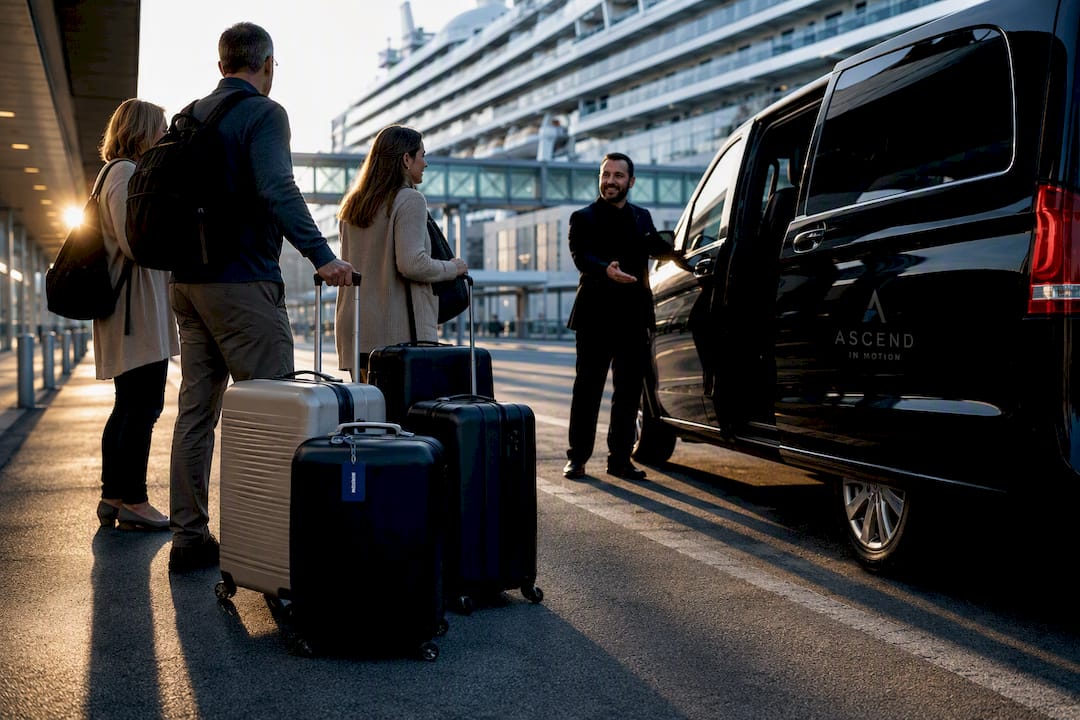
The lowest-risk cruise terminal pickup is a pre-booked private chauffeured transfer, since it removes the guesswork of customs delays and curbside chaos entirely. If cost matters more than convenience, the cruise line’s own motorcoach transfer is the next best call. Rideshare, taxis, and a family member waiting in a cell-phone lot all work too, but each carries more variables. Whatever you choose, lock it in several days before your ship docks.
TL;DR:
- Private chauffeured transfers offer the highest reliability and curbside service, but require booking several days in advance and depend on port-specific pickup rules.
- Customs clearance and baggage retrieval can delay disembarkation by two to three hours, making buffer time essential for on-time pickups, especially for flights.
- Port security and staged vehicle zones often restrict private vehicles from curbside idling and restrict ride-hail stops, so advanced coordination is crucial.
- Planning should account for port-specific logistics, terminal changes, weather conditions, and detailed vehicle size and luggage needs to avoid delays.
- Professional services like Ascend in Motion adjust pickup times based on real-time ship and flight updates, reducing the risk of waiting or missed transportation.
Table of Contents
- What Are Your Cruise Terminal Pickup Options?
- How Do You Plan Your Cruise Terminal Pickup Timing?
- What Terminal Rules Affect Your Pickup?
- Terminal-by-Terminal Pickup Notes for Major Ports
- What to Expect on Disembarkation Day
- Choosing the Right Vehicle and Packing Smart
- How Ascend in Motion Reduces Pickup Risk
- Weather Considerations for Cruise Terminal Pickups
- An Editorial Take on Cruise Pickup Planning
- How to Book Ascend in Motion for Your Cruise Pickup
- Official Port and Cruise-Line Pages Worth Checking
- Sources
What Are Your Cruise Terminal Pickup Options?
Every cruise port offers roughly the same menu of ground transportation, but how each option actually performs on disembarkation day varies enormously. Understanding the mechanics behind each choice helps you avoid standing on a curb wondering where your ride went.
Cruise-line motorcoach transfers are the default option most passengers see during booking. They’re scheduled around the ship’s overall debarkation window, not your personal timeline, which means you often wait until a busload of fellow passengers assembles before the coach leaves. That’s fine if your only goal is reaching the airport eventually. It’s frustrating if you have a tight flight or simply want to get moving.
Private chauffeured transfers work differently. A dedicated vehicle, often a Mercedes-Benz Sprinter van or luxury SUV, is assigned to your party alone. The driver tracks your ship’s arrival and adjusts pickup timing in real time rather than following a fixed schedule. Luggage handling is part of the service, and the vehicle pulls up curbside instead of parking in an overflow lot half a mile from the terminal doors.
Shared shuttles and commercial airport shuttle vans sit in between. They’re cheaper than a private car but still run fixed routes with multiple stops, and you may share the vehicle with strangers headed to different hotels or airport terminals.
Taxis and rideshare apps can work, though terminal reality often complicates the pitch. Surge pricing spikes hard when thousands of passengers disembark within the same two hour window, and many terminals restrict where an Uber or Lyft can actually stop. A rideshare pickup zone sometimes sits a five to ten minute walk from where you exit customs, which is rough with four suitcases in tow.
Family or friend pickup is free, sentimental, and unpredictable. Most ports funnel these pickups into a cell-phone lot where the driver waits until the passenger calls or texts, then drives to a designated curb. The upside is zero cost. The downside is that whoever is driving needs patience, a full tank of gas, and a plan for what happens if the ship runs two hours behind schedule.
Here’s how the main options stack up on the factors that matter most:
- Cruise-line transfer: fixed schedule, moderate cost, no flexibility if plans change.
- Private chauffeured transfer: flexible timing, curbside service, highest reliability, premium price.
- Commercial shuttle: budget-friendly, multiple stops, longer total travel time.
- Rideshare/taxi: convenient in theory, unpredictable pricing and staging in practice.
- Family pickup: free, but dependent on real-time coordination and patience.
How Do You Plan Your Cruise Terminal Pickup Timing?
Getting the timing right comes down to working backward from your ship’s published arrival time and layering in realistic delays, rather than assuming you’ll be curbside the moment the gangway opens.
Here’s a step-by-step approach that holds up across most major ports:
- Start with the published docking time, not your imagined ideal. If the ship is scheduled to dock at 7:00 a.m., that’s when it touches the pier, not when you’re standing outside with your bags.
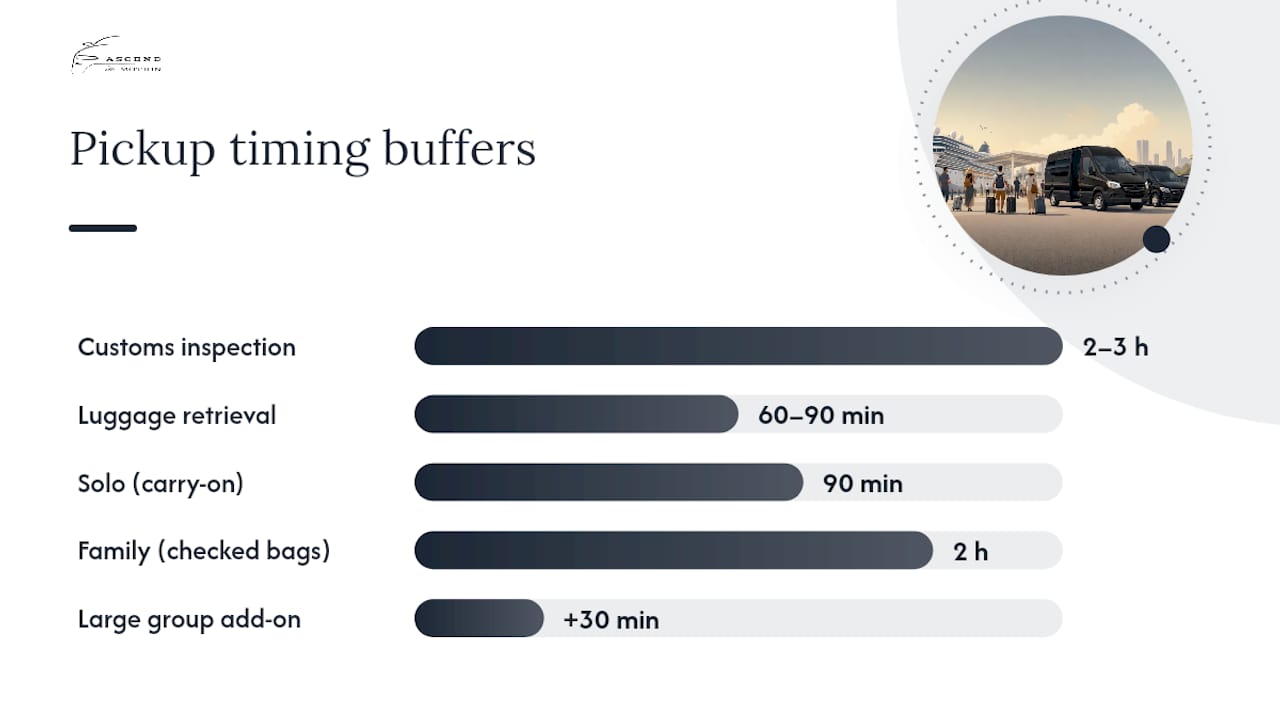
- Add federal inspection time. Terminals often can’t release passengers until customs and immigration officers finish clearing the ship, and some ports note this process can take two to three hours in certain cases.
- Factor in luggage retrieval. Many travelers underestimate how long it takes to locate checked bags in a crowded terminal hall; building in a 60 to 90 minute buffer after docking is a reasonable rule for most sailings.
- Set your pickup window accordingly. For a solo traveler with only a carry-on, aim for 90 minutes after docking. For a family with checked luggage, push that to two hours. For a large group, add another 30 minutes on top of that.
- Build a bigger cushion if you’re catching a same-day flight. Anyone connecting to an afternoon flight from the same city should treat the two to three hour customs window as the realistic floor, not the worst case.
Booking windows matter just as much as pickup timing. Cruise lines typically let you purchase ground transfers two to four days before sailing, and children under two often ride free if seated on a parent’s lap. Private vendors usually want more lead time, ideally several days in advance, so they can assign a vehicle and confirm terminal access ahead of your arrival.
Cancellation policies deserve a look too. Cruise-line transfers often carry stricter, less flexible cancellation windows tied to your cruise booking, while private transportation companies frequently allow changes closer to your sailing date since they’re managing a single reservation rather than a manifest of hundreds.
Pro Tip: Text your driver or pickup contact the moment the ship’s “all clear” announcement plays over the terminal speakers. That single message often shaves 20 to 30 minutes off total wait time, since your ride can start moving into position instead of waiting for your call.
What Terminal Rules Affect Your Pickup?
Port security and traffic management create a set of rules that quietly reshape how pickups actually happen, and most first-time cruisers have no idea these constraints exist until they’re standing in the middle of one.
Security perimeters are the biggest factor. Many terminals no longer allow private vehicles to idle directly at the curb the way they once did. Instead, drivers are staged in a remote lot and called forward only when a passenger is ready, which is exactly the kind of local knowledge that separates a smooth pickup from a stressful one. Experienced drivers monitor port updates directly rather than trusting GPS alone, since staging areas and access points shift with volume and security posture on any given sailing day.
Re-entry restrictions are the next surprise. Once you disembark, you generally cannot go back into the terminal building, even if your ride hasn’t arrived yet. That means you’re waiting outside, in whatever weather the port happens to be having, so dress for the wait rather than for the cruise you just finished.
Ride-hail bans show up more often than travelers expect. Several ports, including Canada Place in Vancouver, restrict where Uber and Lyft drivers can physically stop, pushing rideshare pickups to designated zones well away from the terminal doors.
A quick rundown of the rules that trip people up most:
- Off-site driver staging means your ride may not be visible from the curb until called forward.
- No re-entry after disembarkation, so plan your outdoor wait accordingly.
- Ride-hail pickups are often confined to specific zones, sometimes a walk away.
- Cell-phone lots exist specifically for family pickups; drivers wait there until texted, then move to a collection curb.
- Short-term parking near terminals fills fast and carries premium day rates.
Knowing these rules ahead of time turns a confusing scramble into a five-minute walk to a pre-arranged spot.
Terminal-by-Terminal Pickup Notes for Major Ports
Pickup logistics differ enough from port to port that a plan built for one terminal can fall apart at another, so a quick terminal-specific reference is worth more than generic advice.
Seattle runs two cruise terminals with distinct personalities. Pier 66 sits closer to downtown, with rideshare zones and a taxi curb but limited free parking. Pier 91 offers a free shuttle connecting the cell-phone lot to the terminal, which makes family pickups noticeably easier there. The Port of Seattle recommends avoiding peak curb hours between 11:00 a.m. and 1:00 p.m., when multiple ships often release passengers at once.
Los Angeles and the Port of Long Beach handle huge passenger volumes across several berths, and staging areas shift depending on which pier your ship uses. Confirming your specific berth the day before arrival, then coordinating a private transfer for that exact location, avoids the wasted time of guessing which entrance applies to you. Readers coordinating an LAX arrival ahead of a Long Beach departure can lean on Ascend in Motion’s LAX to Port of Long Beach guidance for the exact staging pattern.
Vancouver’s Canada Place designates an orange zone specifically for immediate passenger pickup, and ride-hail vehicles are generally restricted from stopping directly at the terminal building. Port authority guidance spells out where drivers should stage and which lanes are reserved for immediate pickup, which is worth reading before you send someone to collect you.
Port Canaveral and Boston both use dedicated pickup lanes separate from general terminal traffic, and both terminals publish operations contact numbers that are worth saving in your phone before sailing.
One rule holds everywhere: confirm your terminal, berth, and ship assignment the day before you sail. Ports sometimes shift ships between piers with little notice, and a driver sent to the wrong terminal wastes real time.
What to Expect on Disembarkation Day
Debarkation day follows a fairly predictable sequence, even though the exact timing shifts with each sailing and port.
- The ship is officially released by port authorities, which can only happen after health, safety, and customs checks clear.
- Federal inspection and customs processing begins, and international arrivals often take longer here than domestic ones, sometimes extending the whole process by an extra hour or more.
- Passengers proceed to baggage claim inside the terminal to locate checked luggage, a step that can eat 20 to 40 minutes on a busy sailing.
- Passengers exit to the curbside pickup zone, where the realistic window from ship release to actual curbside pickup runs anywhere from 60 to 180 minutes depending on the port, the ship’s passenger count, and whether you’re on an express walk-off or a standard, numbered debarkation group.
Terminals can require a two to three hour wait for federal inspection clearance on some sailings, according to Maryland’s cruise terminal guidance, which is exactly why building a buffer into your pickup plan matters more than trusting the ship’s printed schedule.
Express walk-off, available to passengers carrying their own luggage off the ship, moves considerably faster than assigned debarkation groups waiting for bags to be unloaded and sorted by deck.
Whatever transport you’ve arranged, give your contact four pieces of information ahead of time: your reservation name, a working phone number for both you and the driver, your ship name and terminal, and a fallback contact number in case cell service inside the terminal is spotty. That small checklist prevents the single most common pickup failure: two people waiting in different spots, unable to reach each other.
Choosing the Right Vehicle and Packing Smart
Vehicle size mistakes cause more pickup delays than almost anything else, mostly because travelers underestimate how much space luggage actually takes up.
A general rule of thumb: one large suitcase and one carry-on per person fits comfortably in a sedan for two to three passengers. Add a third or fourth passenger, or throw in golf clubs, garment bags, or a stroller, and you need an SUV at minimum. Groups of five or more, especially with full luggage sets, do best in a Sprinter van or minibus, since cramming oversized bags into a trunk built for two suitcases only slows down curbside loading.
The single most common mistake families and groups make is under-reporting how much luggage they’re actually bringing. If you’re unsure, round up and mention any oversized gear when booking, since a driver who arrives expecting a sedan’s worth of bags and finds a minivan’s worth loses time swapping vehicles or making a second trip.
Mobility needs deserve early attention too. If a passenger uses a wheelchair or needs boarding assistance, confirm with your transportation provider well before sailing whether that support is available, since not every service offers it.
Before you book, give your provider four details:
- Total passenger count, including children.
- Total luggage count and any oversized items.
- Flight, ship, and terminal information.
- Any mobility or accessibility needs.
Pro Tip: If you’re on the fence between an SUV and a Sprinter van, size up. An extra thirty minutes saved at the curb loading bags without a second trip is worth more than the marginal cost difference.
How Ascend in Motion Reduces Pickup Risk
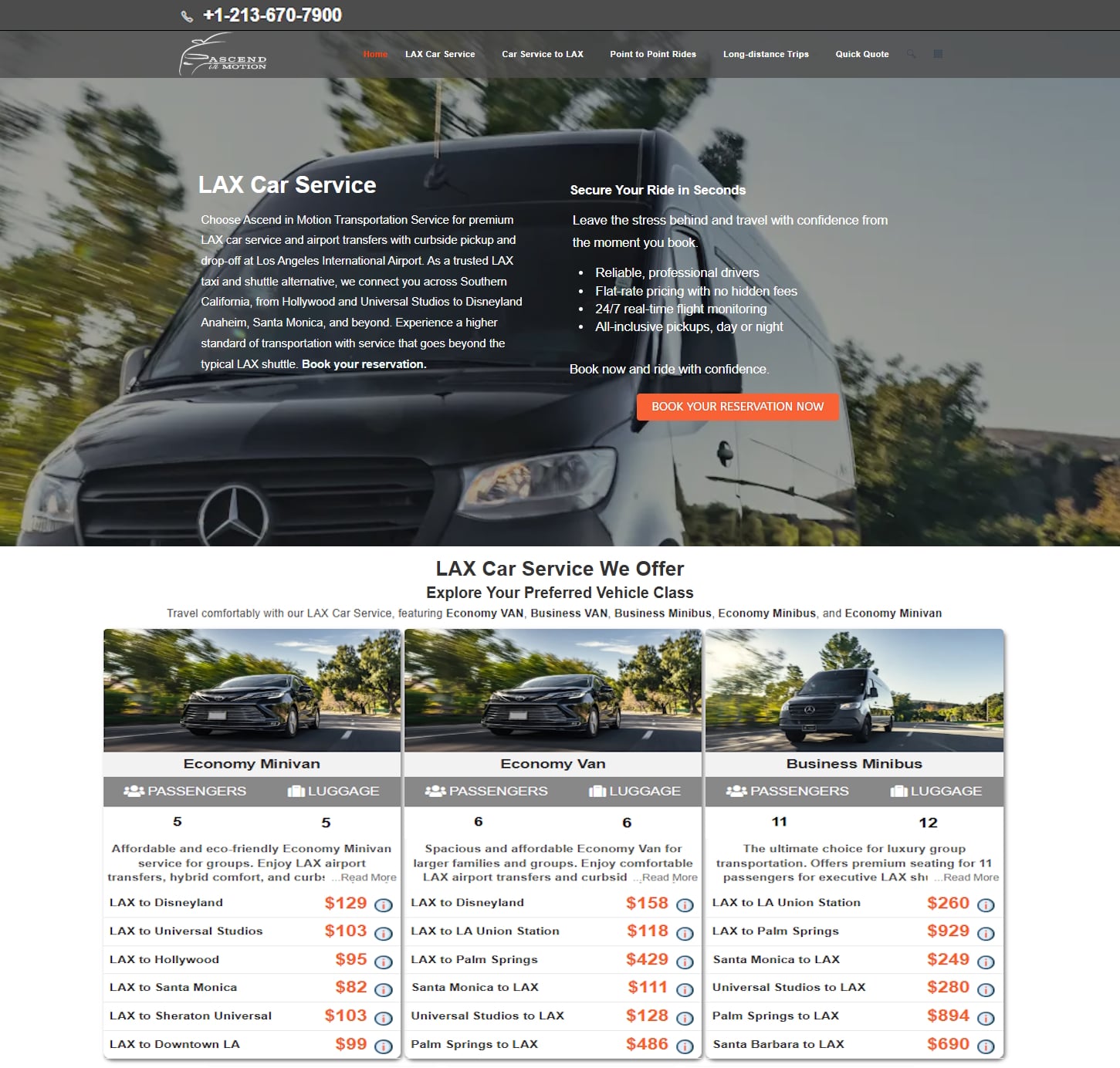
A premium, chauffeur-driven transportation service across Southern California offers cruise terminal pickups tied to Los Angeles and Long Beach sailings. The service pairs real-time flight and travel monitoring with flat-rate pricing, so the cost quoted at booking is the cost paid, regardless of whether customs runs long.
Professional chauffeurs plan their staging and arrival using terminal operations contacts and port updates directly, rather than relying on a GPS app that has no idea a cruise terminal changed its pickup lane that morning. That local awareness is what keeps a scheduled pickup from becoming a scramble.
Vehicles include luxury SUVs and Sprinter vans, sized to match your group and luggage rather than forcing you into a one-size-fits-all sedan. For families or groups worried about fitting everyone and every bag into one trip, that flexibility solves the exact problem outlined earlier: reserving the wrong vehicle size.
Booking works the same way whether you’re headed to major Southern California destinations or a cruise terminal: provide your ship name, terminal, sailing date, and passenger and luggage counts, and pickup timing is coordinated around your actual arrival rather than a generic schedule. Flight monitoring extends the same logic to airport connections immediately before or after a cruise, so a delayed flight doesn’t leave a driver waiting at the wrong curb for the wrong hour.
Weather Considerations for Cruise Terminal Pickups
Weather changes cruise terminal pickups more than most travelers expect, mainly because so much of the process happens outdoors. Rain, wind, or extreme heat while you’re waiting for federal inspection to clear can turn a routine wait into a genuinely uncomfortable one, especially if re-entry to the terminal building isn’t allowed.
Storms and high winds can also delay a ship’s actual docking time, which cascades into every pickup plan built around the original schedule. If your port is forecasting rough weather on your sailing’s return date, build in extra buffer time and check the cruise line’s app or website that morning for updated arrival estimates rather than trusting the schedule printed weeks earlier.
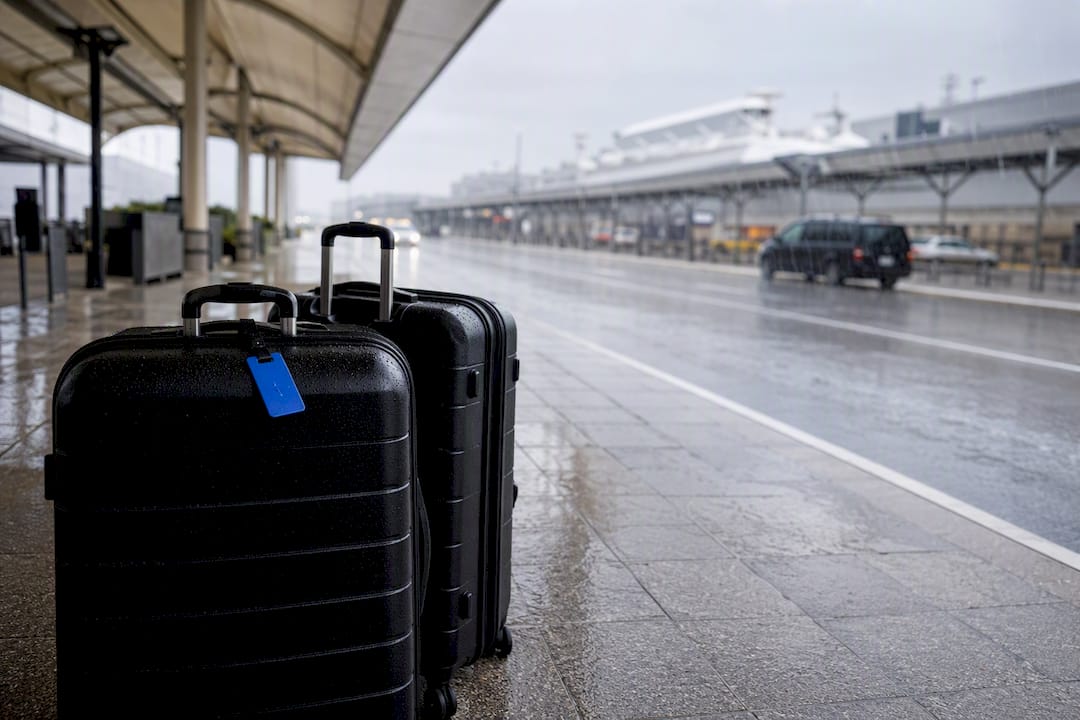
Winter ports, including Seattle and Boston, add another layer: icy curbs and reduced visibility can slow both foot traffic and vehicle staging. Drivers picking up passengers in these conditions often need extra time to navigate to the correct lane, so confirming pickup instructions the morning of arrival, not just days before, is worth the extra text message.
If you’re arranging a family pickup rather than a professional transfer, dress the driver and any waiting passengers for the actual forecast, not the weather at home. A cell-phone lot in January is a different experience in Seattle than in Miami.
An Editorial Take on Cruise Pickup Planning
Most cruise pickup advice treats every port the same way, which is exactly backward. The real skill is treating each terminal as its own small logistics puzzle, since a plan that works flawlessly at Pier 91 in Seattle can fall apart completely at Canada Place in Vancouver.
The conventional wisdom oversells the cruise-line transfer as the safe default. It’s not unsafe, but it’s built for the ship’s convenience, not yours, and that distinction shows up the moment you have a flight to catch. What the research actually supports is prioritizing flexibility over the lowest sticker price: a pickup option that adjusts to your ship’s real arrival time beats one that assumes everything runs on schedule.
If you take one thing from this, take the buffer math seriously. Federal inspection alone can eat two to three hours, and no amount of enthusiasm at the gangway changes that.
— Sirus
How to Book Ascend in Motion for Your Cruise Pickup
Families juggling luggage and kids, travelers racing to catch a same-day flight, and business travelers who need a predictable, professional pickup all get the most out of booking ahead rather than improvising curbside.
Alt text: A black Mercedes-Benz Sprinter van from Ascend in Motion waiting curbside at a cruise terminal pickup zone.
Ascend in Motion is the alternative to standing in a cell-phone lot hoping your ride finds the right curb. Instead, you get a chauffeur who tracks your ship’s arrival, coordinates with terminal contacts directly, and shows up in a vehicle sized correctly for your group and luggage, all at a flat rate agreed on before you sail. That’s a meaningfully different experience than gambling on rideshare surge pricing or waiting for a cruise-line motorcoach to fill up.
Booking is simple: have your ship name, terminal, sailing date, and passenger and luggage counts ready. From there, Ascend in Motion’s airport and terminal transfer page walks you through reserving your vehicle. Confirm your terminal’s specific pickup rules the day before you sail, since ports occasionally shift lanes or staging areas with little notice, and lock in your pickup now rather than sorting it out from the curb.
Official Port and Cruise-Line Pages Worth Checking
Terminal rules change often enough that it’s worth confirming details directly from the source before you travel, rather than relying on secondhand accounts.
- Airport and Pier Transfers — Carnival, for cruise-line transfer booking windows and child fare rules.
- Smooth Sailing Guide between SEA Airport and the Seattle Cruise Terminals — Port of Seattle, for Seattle-specific pickup zones.
- Debarkation information — Maryland Cruise Terminal / Port of Baltimore, for federal inspection timing.
- Directions and transportation — Vancouver Fraser Port Authority, for Canada Place pickup zones and ride-hail restrictions.
- What Is a Private Terminal Pickup? Your 2026 Guide — SolidRide, for a broader look at private terminal pickup procedures.
Call or email your terminal’s operations contact the day before you sail to confirm pickup lanes, since ports update these details more frequently than most travel guides do.
Sources
- Airport and Pier Transfers — Carnival
- Smooth Sailing Guide between SEA Airport and the Seattle Cruise Terminals — Port of Seattle
- Debarkation information — Maryland Cruise Terminal / Port of Baltimore
- Directions and transportation | Vancouver Fraser Port Authority

